Liver issues and edema?

supernova21

Active Member
Joined
2 July 2021
Messages
34
Visit site
Hi all,

Hoping someone else has experienced something similar who can shed a bit of light - long post incoming

I have a 12 year old Shetland pony who has recently presented with a few issues

Friday 20th Feb - arrived for PM checks, pony was in his shelter shivering (not usually a cold pony), however his temp was high. Walking normal, eyes and gums ok, eating, drinking, toileting all fine however urine very dark. Gave bute and stayed with him for the next few hours until he perked up and temp returned to normal. Kept a close eye on him over the weekend and the next few days however his appetite did decrease slightly but urine colour improved.

Wednesday 25th Feb - arrived for AM checks, pony presented with ventral edema on both sides of his stomach, hard, not soft, no reaction to me poking/prodding. Also had some swelling to R side of nose/cheek. Temp norm, called vet. Bloods taken, results later in the day showed high SAA levels (1700). Suspected liver infection, advised antibiotics, piriton, bute. Also advised to start on equine america vet approved liver supplement. Pony still bright in himself.

Thurs 26th Feb - PM checks, pony presenting with colic symptoms, could literally see his gut moving and making some questionable noises, called vet, vet confirmed colic. Pony is needle shy so unable to get any IV pain relief or buscopan into him, so vet gave him something into his muscle instead. Advised to wait with him and monitor over night which I did and he settled.

Fri 27th Feb - vet reattended AM to get more bloods, advised admission to hospital for monitoring
Fri 27th Feb - pony admitted FRI PM, scan enlarged duodenum, treated as impaction colic, active liver infection and slightly hyper lipemic, although they weren't too worried at this point. Peritoneal tap, not peritonitis. Pony stayed in hospital and had a scope, tubed, few days worth of antibiotics into the muscle, however he was getting quite stressed with everything happening and I don't think this was doing him any favours.

28th/1st - visited him both days, they had started to re feed him slowly with soaked hay and sloppy mashes, responding well

Mon 2nd March - SAA levels rose to 2300, vet advised this could be due to his stressed out state making things worse and now that he was eating better I asked to discharge him

Pony came home Mon 2nd March, fine all week in terms of eating/drinking/toileting, struggling with oral antibiotics as he's picky but getting some down

Vet came Fri 6th March for repeat bloods - SAA levels have dropped to 145. Vet sent bloods off to recheck just to be sure.

Since then, pony bright in himself, no concerns apart from edema has not gone. Started to look less, now it's filled up again and gone to his sheath and slightly up his neck but not under his front legs. Awaiting call back from vet but in the meantime does anyone have any similar experiences? Heart and kidneys are fine. No EMS & no cushings.

Vet has blood tested for encysted redworm which was 16%, been in touch with westgate who have advised not to worm in his current condition, he was already treated at the end of Jan with 5 day panacur guard. He has an unremarkable worming history otherwise, on 4 x yearly WEC and 2 x tapeworm salivia tests, always wormed in Jan after the first frost. Nothing has changed in regards to diet or management, he has 1 small scoop AM & PM of pink mash, is fed Devon haylage bagged meadow haylage and is turned out AM (usually 24/7) in a large woodchip paddock with my two other minis. I have 6 horses and no one else is presenting this way.

Thanks in advance
 
“ is fed Devon haylage bagged meadow haylage and is turned out AM (usually 24/7) in a large woodchip paddock with my two other minis. I have 6 horses and no one else is presenting this way.”

Are the others also fed DH meadow haylage?

Similar happened to my gelding straight after feeding their meadow haylage, which had loads of buttercup in the batch I got. The thing about buttercup is when dry the toxin is neutralised, but when wet/damp, in wetter haylage, which my batch from them was very heavy wet - the toxin has a chance to still be present.

Here’s an ai brief breakdown of the buttercup toxin:

The toxic substance in buttercups (
Ranunculus spp.) that is harmful to horses is protoanemonin.

Here are the key details regarding this toxin:
  • Source: It is produced when the plant (specifically leaves, stems, and flowers) is chewed or crushed, converting a non-toxic glycoside called ranunculin into the toxic, blistering oil known as protoanemonin.
  • Effect: Protoanemonin is an acrid substance that causes blistering and severe irritation to the lining of the horse's mouth, lips, and digestive tract.
  • Symptoms: Ingestion can lead to excessive salivation (drooling), oral ulcers, blisters on the mouth/muzzle, abdominal pain, diarrhea (sometimes with blood), and in severe cases, twitching, paralysis, and convulsions.
  • Toxicity Levels: Toxicity is highest when the plant is in the flowering stage, typically from April to August.
  • Risk Mitigation: The toxin is mainly a concern when the plant is fresh. When dried in hay, protoanemonin breaks down into the non-toxic chemical anemonin, making buttercups in properly cured hay safe for consumption.

My mare and gelding were fed this new batch of meadow haylage with damp dark brown/blackish buttercup leaves in every handful. I didn’t at the time realise it would be an issue. I thought fermentation would destroy the toxin, but evidently not, especially with their being such a large amount of buttercup leaves in the batch I received from them. My gelding showed signs within 24 hrs with hives on chest, neck initially which then continued to his barrel. These were large hives, some as big as 5cm. Not tiny raised hives. He then had ventral edema, and sheath swelling.
Mare strangely ok, likely better liver health than him, so she could clear the toxin and he couldn’t was my eventual conclusion. But as this occurred within 24hrs of starting DH meadow haylage they’d never had before, I immediately on day 3, switched feeds and stopped feeding DH meadow to them both.
He slowly recovered from the edema and hives.
But I made the mistake of giving timothy and ryegrass haylage, which compounded the issue because his liver was compromised, the photosensitive compounds in ryegrass were not being expelled by his struggling liver, so he got photosensitive symptoms on top. The hives became weepy, dried up and then the hair fell out - but amazing how quickly new growth filled-in.

My batch of meadow haylage from them was a very high % of buttercup in there. Literally every handful pulled out there was a few buttercup leaves. Mine were fed 10kg per day, so that’s quite a hefty dose of buttercup poison their body had to suddenly deal with. I do suspect if I hadn’t have pulled the mare off the haylage too, she would have showed signs soon enough. I just had to stop that batch feeding as it was the only thing that changed. His recovery was overall 2 weeks from very start to finish, but the weights of haylage they need in winter per day, it could have been catastrophic if I hadn’t stopped the feed.

I did alert DH, told them what happened, they said other buyers hadn’t had an issue. Which isn’t surprising when many people don’t think there would be a toxic plant in reputable bagged haylage. They could have issues and not know the cause. I’m very into horse grazing plants and even I got caught out. Many horse folk are not passionate about forage and just know ragwort is poisonous. Like your case, very ill horse and have no idea why because you don’t expect there to be toxic plants in your reputable haylage.
They should be making wrapped hay out of their buttercup meadow fields, or spraying it for weeds.
Their other haylages are perfect, gorgeous, their timothy and ryegrass I’ve recommended on here - it’s the best made in uk and ireland.

There’s a disclaimer here to recognise though - because my gelding was immediately affected by the feed, and the mare wasn’t, does suggest he had a weakened liver to not clear toxins so well, compared to her. They were both fed same amounts of the haylage . It was a good experiment (blind too as I had no idea!) to verify that depending on the condition of the liver in the horse, depends on how well they can clear toxins, and how quickly symptoms of toxicity show up.
I do suspect that if I continued feeding it to my mare at a daily dose of 10kg, she too would have exhibited symptoms. Most people, due to cost of these small bagged haylages, don’t feed 1 bag per day to 2 horses, but at that point that year, I had no choice as all hay available was crap mouldy quality. They had been on good clean haylage and were doing great that winter, until the meadow haylage with buttercup was fed.

Yet if someone is feeding this particular meadow haylage at 20% of the whole forage ration the horse should have, mixing with hay, they likely won’t see symptoms and the liver is likely clearing it well.
Like with anything, dose matters. Most people cannot afford to feed soley bagged haylages @ £10 per day! Some are forced to in certain circumstances.

All I can advise is to check your haylage batch for small dark brown/blackish buttercup leaves. If there’s lots alert DH to the illness issue with your pony. If they tell you everyone else does great on it they’re not being honest, as I alerted them, years ago.

Buttercup when damp can still be toxic in haylage is the take-home message to all horse owners.
 
P.s - keep a bag of the haylage and get the buttercup tested for protoanemonin at a lab if you need verifiable proof.
 
Hi all,

Hoping someone else has experienced something similar who can shed a bit of light - long post incoming

I have a 12 year old Shetland pony who has recently presented with a few issues

Friday 20th Feb - arrived for PM checks, pony was in his shelter shivering (not usually a cold pony), however his temp was high. Walking normal, eyes and gums ok, eating, drinking, toileting all fine however urine very dark. Gave bute and stayed with him for the next few hours until he perked up and temp returned to normal. Kept a close eye on him over the weekend and the next few days however his appetite did decrease slightly but urine colour improved.

Wednesday 25th Feb - arrived for AM checks, pony presented with ventral edema on both sides of his stomach, hard, not soft, no reaction to me poking/prodding. Also had some swelling to R side of nose/cheek. Temp norm, called vet. Bloods taken, results later in the day showed high SAA levels (1700). Suspected liver infection, advised antibiotics, piriton, bute. Also advised to start on equine america vet approved liver supplement. Pony still bright in himself.

Thurs 26th Feb - PM checks, pony presenting with colic symptoms, could literally see his gut moving and making some questionable noises, called vet, vet confirmed colic. Pony is needle shy so unable to get any IV pain relief or buscopan into him, so vet gave him something into his muscle instead. Advised to wait with him and monitor over night which I did and he settled.

Fri 27th Feb - vet reattended AM to get more bloods, advised admission to hospital for monitoring
Fri 27th Feb - pony admitted FRI PM, scan enlarged duodenum, treated as impaction colic, active liver infection and slightly hyper lipemic, although they weren't too worried at this point. Peritoneal tap, not peritonitis. Pony stayed in hospital and had a scope, tubed, few days worth of antibiotics into the muscle, however he was getting quite stressed with everything happening and I don't think this was doing him any favours.

28th/1st - visited him both days, they had started to re feed him slowly with soaked hay and sloppy mashes, responding well

Mon 2nd March - SAA levels rose to 2300, vet advised this could be due to his stressed out state making things worse and now that he was eating better I asked to discharge him

Pony came home Mon 2nd March, fine all week in terms of eating/drinking/toileting, struggling with oral antibiotics as he's picky but getting some down

Vet came Fri 6th March for repeat bloods - SAA levels have dropped to 145. Vet sent bloods off to recheck just to be sure.

Since then, pony bright in himself, no concerns apart from edema has not gone. Started to look less, now it's filled up again and gone to his sheath and slightly up his neck but not under his front legs. Awaiting call back from vet but in the meantime does anyone have any similar experiences? Heart and kidneys are fine. No EMS & no cushings.

Vet has blood tested for encysted redworm which was 16%, been in touch with westgate who have advised not to worm in his current condition, he was already treated at the end of Jan with 5 day panacur guard. He has an unremarkable worming history otherwise, on 4 x yearly WEC and 2 x tapeworm salivia tests, always wormed in Jan after the first frost. Nothing has changed in regards to diet or management, he has 1 small scoop AM & PM of pink mash, is fed Devon haylage bagged meadow haylage and is turned out AM (usually 24/7) in a large woodchip paddock with my two other minis. I have 6 horses and no one else is presenting this way.

Thanks in advance
Apologies, edited to add they are all fed the DH timothy haylage not meadow, was typing quickly :)
 
Last edited:
“ is fed Devon haylage bagged meadow haylage and is turned out AM (usually 24/7) in a large woodchip paddock with my two other minis. I have 6 horses and no one else is presenting this way.”

Are the others also fed DH meadow haylage?

Similar happened to my gelding straight after feeding their meadow haylage, which had loads of buttercup in the batch I got. The thing about buttercup is when dry the toxin is neutralised, but when wet/damp, in wetter haylage, which my batch from them was very heavy wet - the toxin has a chance to still be present.

Here’s an ai brief breakdown of the buttercup toxin:

The toxic substance in buttercups (
Ranunculus spp.) that is harmful to horses is protoanemonin.

Here are the key details regarding this toxin:
  • Source: It is produced when the plant (specifically leaves, stems, and flowers) is chewed or crushed, converting a non-toxic glycoside called ranunculin into the toxic, blistering oil known as protoanemonin.
  • Effect: Protoanemonin is an acrid substance that causes blistering and severe irritation to the lining of the horse's mouth, lips, and digestive tract.
  • Symptoms: Ingestion can lead to excessive salivation (drooling), oral ulcers, blisters on the mouth/muzzle, abdominal pain, diarrhea (sometimes with blood), and in severe cases, twitching, paralysis, and convulsions.
  • Toxicity Levels: Toxicity is highest when the plant is in the flowering stage, typically from April to August.
  • Risk Mitigation: The toxin is mainly a concern when the plant is fresh. When dried in hay, protoanemonin breaks down into the non-toxic chemical anemonin, making buttercups in properly cured hay safe for consumption.

My mare and gelding were fed this new batch of meadow haylage with damp dark brown/blackish buttercup leaves in every handful. I didn’t at the time realise it would be an issue. I thought fermentation would destroy the toxin, but evidently not, especially with their being such a large amount of buttercup leaves in the batch I received from them. My gelding showed signs within 24 hrs with hives on chest, neck initially which then continued to his barrel. These were large hives, some as big as 5cm. Not tiny raised hives. He then had ventral edema, and sheath swelling.
Mare strangely ok, likely better liver health than him, so she could clear the toxin and he couldn’t was my eventual conclusion. But as this occurred within 24hrs of starting DH meadow haylage they’d never had before, I immediately on day 3, switched feeds and stopped feeding DH meadow to them both.
He slowly recovered from the edema and hives.
But I made the mistake of giving timothy and ryegrass haylage, which compounded the issue because his liver was compromised, the photosensitive compounds in ryegrass were not being expelled by his struggling liver, so he got photosensitive symptoms on top. The hives became weepy, dried up and then the hair fell out - but amazing how quickly new growth filled-in.

My batch of meadow haylage from them was a very high % of buttercup in there. Literally every handful pulled out there was a few buttercup leaves. Mine were fed 10kg per day, so that’s quite a hefty dose of buttercup poison their body had to suddenly deal with. I do suspect if I hadn’t have pulled the mare off the haylage too, she would have showed signs soon enough. I just had to stop that batch feeding as it was the only thing that changed. His recovery was overall 2 weeks from very start to finish, but the weights of haylage they need in winter per day, it could have been catastrophic if I hadn’t stopped the feed.

I did alert DH, told them what happened, they said other buyers hadn’t had an issue. Which isn’t surprising when many people don’t think there would be a toxic plant in reputable bagged haylage. They could have issues and not know the cause. I’m very into horse grazing plants and even I got caught out. Many horse folk are not passionate about forage and just know ragwort is poisonous. Like your case, very ill horse and have no idea why because you don’t expect there to be toxic plants in your reputable haylage.
They should be making wrapped hay out of their buttercup meadow fields, or spraying it for weeds.
Their other haylages are perfect, gorgeous, their timothy and ryegrass I’ve recommended on here - it’s the best made in uk and ireland.

There’s a disclaimer here to recognise though - because my gelding was immediately affected by the feed, and the mare wasn’t, does suggest he had a weakened liver to not clear toxins so well, compared to her. They were both fed same amounts of the haylage . It was a good experiment (blind too as I had no idea!) to verify that depending on the condition of the liver in the horse, depends on how well they can clear toxins, and how quickly symptoms of toxicity show up.
I do suspect that if I continued feeding it to my mare at a daily dose of 10kg, she too would have exhibited symptoms. Most people, due to cost of these small bagged haylages, don’t feed 1 bag per day to 2 horses, but at that point that year, I had no choice as all hay available was crap mouldy quality. They had been on good clean haylage and were doing great that winter, until the meadow haylage with buttercup was fed.

Yet if someone is feeding this particular meadow haylage at 20% of the whole forage ration the horse should have, mixing with hay, they likely won’t see symptoms and the liver is likely clearing it well.
Like with anything, dose matters. Most people cannot afford to feed soley bagged haylages @ £10 per day! Some are forced to in certain circumstances.

All I can advise is to check your haylage batch for small dark brown/blackish buttercup leaves. If there’s lots alert DH to the illness issue with your pony. If they tell you everyone else does great on it they’re not being honest, as I alerted them, years ago.

Buttercup when damp can still be toxic in haylage is the take-home message to all horse owners.
Thank you for replying, that's really interesting, is your gelding doing ok now?

Just to say I meant the DH timothy not meadow! Typo due to typing to fast, oops!

I swapped to DH from horsehage timothy in Dec 25 as the quality of the horsehage from all local stockists was a bit iffy. All 6 of mine are fed DH, I buy two pallets a month, no one else has similar symptoms. They've all been on it around 3 months now.

The only thing I think it can possibly be is the haylage and as you said about your mare, maybe my others are just better equipped to deal with any toxins and this pony is struggling most? I did get in touch with them earlier this month due to finding some debris (a glove, some plastic and loose chopped twine) so I think I'll contact them again. I can't understand why else he would just spontaneously start struggling. No health issues prior, just a normal healthy pony.
 
Last edited:
Thank you for replying, that's really interesting, is your gelding doing ok now?

Just to say I meant the DH timothy not meadow! Typo due to typing to fast, oops!

I swapped to DH from horsehage timothy in Dec 25 as the quality of the horsehage from all local stockists was a bit iffy. All 6 of mine are fed DH, I buy two pallets a month, no one else has similar symptoms. They've all been on it around 3 months now.

The only thing I think it can possibly be is the haylage and as you said about your mare, maybe my others are just better equipped to deal with any toxins and this pony is struggling most? I did get in touch with them earlier this month due to finding some debris (a glove, some plastic and loose chopped twine) so I think I'll contact them again. I can't understand why else he would just spontaneously start struggling. No health issues prior, just a normal healthy pony.

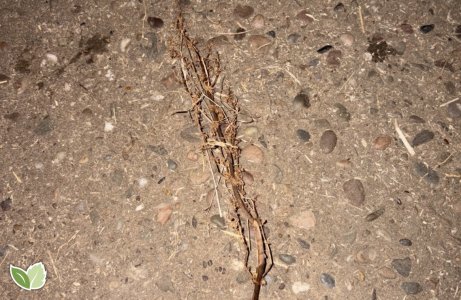
I don’t think this is buttercup, but whatever this is, there’s a fair bit in this batch. Can anyone help identify?View attachment 173654

That looks at first glance like a dock flower head stalk with seeds attached. If you get a few more samples and take a closer sharpmpicture in good natural daylight, it can be ID clearer.

(Am replying to your previous reply)
 
Thank you for replying, that's really interesting, is your gelding doing ok now?

Just to say I meant the DH timothy not meadow! Typo due to typing to fast, oops!

I swapped to DH from horsehage timothy in Dec 25 as the quality of the horsehage from all local stockists was a bit iffy. All 6 of mine are fed DH, I buy two pallets a month, no one else has similar symptoms. They've all been on it around 3 months now.

The only thing I think it can possibly be is the haylage and as you said about your mare, maybe my others are just better equipped to deal with any toxins and this pony is struggling most? I did get in touch with them earlier this month due to finding some debris (a glove, some plastic and loose chopped twine) so I think I'll contact them again. I can't understand why else he would just spontaneously start struggling. No health issues prior, just a normal healthy pony.

That helps clarify things. I have not used DH only timothy stock ever. I only used their timothy/ryegrass mix (which never have any field weeds in)…and trialled their ‘meadow grass’ haylage.

You’ve posted what looks like dock, which can be toxic if eaten in quantity. The oxalates bind calcium, cause colic like symptoms and affect kidney function. You seeing different coloured urine may well be the dock.
Have a more thorough root around for any buttercup too, which looks like dark brown/blackish 6 inch ‘strings’ in haylage. For you to be getting dock flower heads, means the plant wasn’t sprayed at leaf stage, and so the other regular field weeds could also be present.
The oxalates in dock are still present wet or dry so we don’t want dock in haylage or hay and need to pull it out.


However if your DH timothy haylage is quite ‘dry’ and does contain buttercup, there’s a chance the buttercup dried enough to neutralise the toxin. Buttercup remaining damp/wet in ‘wetter’ made haylages, (60% moisture levels) like I had from them with their meadow batch, is the main risk. Dry buttercup is ok.

Has your pony been out grazing any possible toxic plants? In winter when grass growth is slow and low they can ‘experiment’ with other hardier winter plants that may be toxic.

My 2 were on the large dry lot turnout with shelter that winter I had the problem with my gelding, and every scrap of food they ate was from my hand without exposure to fields as they were too boggy that year. So it was easy for me to identify what had changed in their food supply, and find/discover/research about wet buttercups and blistering mucous membranes of the gut with liver toxin clearance issues.

My gelding recovered quite quickly in 2 weeks because I stopped the buttercup haylage quite quickly after them having it for 2 days and his severe symptoms showing quickly because they were eating kilo’s of it. So it was an acute toxic event which resolved quickly due to eliminating the toxin by stopping the feed. Thankfully.

Dose is important with toxic plants. They generally can manage the average field toxic plants low dose, and barely show symptoms. But continuous dosage via forage can have a cumulative effect. If 1 out of several horses is affected it does point to either liver/kidney weakness inherent in that pony. OR he’s the type of pony to just eat weeds and everything so say, if they have shared haylage and the others leave the dock, he might be the one who happily munches on dock.
My mare is amazing with her ability to know toxic plants and avoid them. The gelding when young would sample most things, so was always a likely target to poison himself! If my mare spat out a chunk of haylage buttercup he’d be more likely to hoover up any leftovers from her.
 
Last edited:
Another thing - check the kidney results you got from the vet if they were run, as affected kidney function due to oxalates can be a cause of edema. You noticing his darker urine colour as first symptom is making me wonder if it’s more likely oxalates from dock than buttercup.
 
Just out of interest did you blood test all your others , for any liver issues , we had one pony present colicky / bloods come back high liver / and bile acids were high too , as protocol rest of the yard were tested to ensure wasn’t anything in forage even though everything on the yard was clinically well x
 
Just out of interest did you blood test all your others , for any liver issues , we had one pony present colicky / bloods come back high liver / and bile acids were high too , as protocol rest of the yard were tested to ensure wasn’t anything in forage even though everything on the yard was clinically well x
No I haven’t had any others tested yet, definitely a good idea though. I have taken him off the haylage and put him on Timothy hay instead to see if symptoms improve x
 
Top