
Any advice on elevate ALP

Ant123

Well-Known Member
Joined
13 April 2020
Messages
90
Visit site
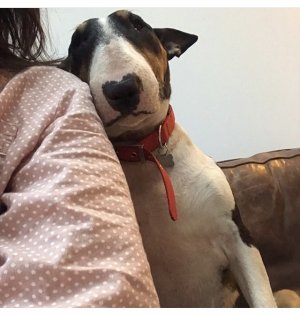
I have an 11 year old English Bull terrier who has elevated ALP ( liver enzymes). The vet is suggesting further investigation. Does anyone have any experience of liver issues in older dogs and the potential for quality of life. I don’t know when to halt investigations as she struggles at the vet or to just wait until she gets really ill. I know this is all info that a vet could advise but I’m looking for some experience in whether it is worth putting her through more bloods ( which require sedation) or to accept the inevitable. IMG_3643.jpeg
 
An elevated ALP may be caused by several things, not just primary liver issues but can be caused by other processes that in turn affect the liver, such as cushings (and others), and these things can be managed, it can be just an old age change and the tests could rule out pathology and it’s nothing to be worried about.
If this was my own pet, I would have further investigations so we can see what we are dealing with, an ultrasound and more specific blood tests - these may need to be carried out on different days due to some bloods being affected by ‘stress’, some can be a baseline number to rule out a disease if it’s below a certain number, but if it’s above a certain number it won’t rule it out but also isn’t diagnostic - need even more specific bloods for it.

As the owner, it is up to you to decide how far you want to investigate, and what you want your dog to have done. Repeat blood tests are minimally invasive, as is an ultrasound, and sedation these days isn’t something that is as much of a worry as it may have been in the past, your vets will make an individual sedation plan for your pet based on all the info they have about her general health and exam.

It’s also always an option, so long as your pet is well in herself, to repeat the blood tests in say, 4 weeks time, and see if it’s still elevated, and make a decision after that.

There are some medications vets can dispense to help animals who experience fear or anxiety at visits, you could discuss with your vet what options they have, and explain your fears and they can help come up with a plan to minimise the worry she experiences. If your main concern is the stress she experiences and that is the main barrier to further investigations, I would ask for a chat with your vet about that specifically and see what you can come up with together
 
I think if it were me I’d want to know what the problem was and then decide whether treating it was in her best interests. Perhaps she can go to the vets once for an all in session of bloods and ultrasound? Get it done then you can see where you are at.

I love EBT’s and she’s very beautiful 😍
 
She is truly gorgeous!
We had a Rottweiler who was very nervous at the vets but they managed her well, including an ultrasound of her bladder until she was eventually pts in the car to save her the stress if going into the surgery. We found that an anxious vet made for an anxious dog, so we asked for a specific vet.
 
Redders has, as usual, answered in her generous and thoughtful way. I’d add it depends how elevated the ALP is, as it is one of those enzymes that often goes up in older dogs and sometimes as don’t find a cause, as she said but that tends to be more lower end rises.
Also it would depend on any other clinical signs that are present- eg drinking more (esp if >100ml/kg/day), weight loss, other biochem enyzme changes etc.
 
Top