nettle
Well-Known Member
Keep mowing them. Docks as you have found have very deep roots. Those roots pull up minerals from the subsoil so if you mow and leave the mowings to rot down and return to the topsoil they’ll help the grass grow.

Okay thank you, this might be the easiest option! I wasn’t sure if just cutting the seeds and letting the leaves stay would make them more palatable as they rot? I might be able to strim halfJust keep chopping them to ground level. A good set of shears gets the job done fairly quickly. Pick up and dispose of seed heads, but the leaves can stay & rot down.
This method has worked for me, its taken few years to deter them, but the grass can start to out compete & it so much easier than trying g to sig up roots.
Keep doing it all year, it then never become a huge task.
If you can section your field then striming & resting would be good.


I mean spraying would be the easiest option if I could then keep on top of it as they grow, there’s easily 700+ docks and I’m only one person. I wasn’t at the yard when they started to come through so couldn’t get on top of it as they grewThere’s really no need to spray, it’s quicker and easier but think of the environment, everyone saying ‘it’s only a few acres it won’t matter’. Those few acres add up nationwide to gallons of chemicals.
Just cut, cut, cut and keep cutting. It’s a longer job but you aren’t killing randoms at the same time.
If using a herbicide for broadleaf weeds (Doxstar is just one, it has a very short grazing interval, whereas two weeks or significantly longer is common with other herbicides), what desirable ‘randoms’ are going to be killed? Grass - which is what the OP hopes to improve - won’t be affected. Is there concern that residing midges or horseflies might be drowned?There’s really no need to spray, it’s quicker and easier but think of the environment, everyone saying ‘it’s only a few acres it won’t matter’. Those few acres add up nationwide to gallons of chemicals.
Just cut, cut, cut and keep cutting. It’s a longer job but you aren’t killing randoms at the same time.
I’m married to an arable farmer. Regulated spray use is different to everyone buying something at the garden centre. I’m still hate them.If using a herbicide for broadleaf weeds (Doxstar is just one, it has a very short grazing interval, whereas two weeks or significantly longer is common with other herbicides), what desirable ‘randoms’ are going to be killed? Grass - which is what the OP hopes to improve - won’t be affected. Is there concern that residing midges or horseflies might be drowned?
In contrast, if you want to take out all growth; as in burn a field off to plough up, completely re seed with another crop etc; then glyphosate will achieve that. Glyphosate goes straight into the roots, some people then allow animals to graze off the dying grass.
glyphosate is widely available in hardwares and garden centres for domestic use - same stuff, just over-priced, individual bottles.
When weed infestation has been badly neglected, spraying is the obvious option to get back to a non-chemical, manageable situation.
Organic farms (including some very well known, celebrity, ones) can apply for a derogation licence to do a ‘one off’ weed spray, when things have got out of hand. Which, tbh, is the only reason any farmer uses herbicides - they are far too expensive and administratively demanding otherwise.


are they more palatable as they grow back? Sorry I’m useless but would this cut the grass as well? There’s not really a space of paddock free without the dock leaves atm so don’t want to strim and remove all the grass tooI suffered a huge patch of docks once, think they seeded from some hay that was full of the damn things. I couldn't spray as too close to a waterway, so got stuck in with the strimmer just as they were coming into flower. Then kept it up as they regrew. Each time the plants were weaker and eventually they died off completely.

Fair enough, I don’t know of anyone that likes chemical sprays, and still less likes the problems they use them for. With arable, very often pesticide applications, too.I’m married to an arable farmer. Regulated spray use is different to everyone buying something at the garden centre. I’m still hate them.
They’ll be pretty desperate to eat docks! If incessantly cutting them, be far easier with a ride on mower to scoop all the bits into the grass box. Don’t leave the cut bits lying about, rake them up. You will have to keep doing this for several seasons at least, given what you describe - cancel the gym subscription, enjoy!are they more palatable as they grow back? Sorry I’m useless but would this cut the grass as well? There’s not really a space of paddock free without the dock leaves atm so don’t want to strim and remove all the grass too
It’s not huge, would probably want to section in 1/4 rather than half due to the size. I think I might speak to YO and see if there’s any chance of spraying and if not split in 1/4 strim, let grass grow then move onto the next 1/4what ever you do has consequences.
Strimming just the docks should not cut too much grass and it grows back .
You might need a strimmer with a blade not plastic wire dock stalks are very tough this time of year.
I would half the paddock and set too asap,the seeds may be still too Green to be viable next year remove as much as you can by raking up.
If you manage your own paddock it will be useful to have everything you need to split it made up and ready because it will be useful for lots of things .
How large is the paddock ?
ETA horses dont eat docks or chopped up docks .
If using a herbicide for broadleaf weeds (Doxstar is just one, it has a very short grazing interval, whereas two weeks or significantly longer is common with other herbicides), what desirable ‘randoms’ are going to be killed? Grass - which is what the OP hopes to improve - won’t be affected. Is there concern that residing midges or horseflies might be drowned?
In contrast, if you want to take out all growth; as in burn a field off to plough up, completely re seed with another crop etc; then glyphosate will achieve that. Glyphosate goes straight into the roots, some people then allow animals to graze off the dying grass.
glyphosate is widely available in hardwares and garden centres for domestic use - same stuff, just over-priced, individual bottles.
When weed infestation has been badly neglected, spraying is the obvious option to get back to a non-chemical, manageable situation.
Organic farms (including some very well known, celebrity, ones) can apply for a derogation licence to do a ‘one off’ weed spray, when things have got out of hand. Which, tbh, is the only reason any farmer uses herbicides - they are far too expensive and administratively demanding otherwise.
I am trying to lose some weight so I guess that’s one positive to thisThey’ll be pretty desperate to eat docks! If incessantly cutting them, be far easier with a ride on mower to scoop all the bits into the grass box. Don’t leave the cut bits lying about, rake them up. You will have to keep doing this for several seasons at least, given what you describe - cancel the gym subscription, enjoy!

That’s Forefront.We had to spray our hay field a couple of years ago as the weeds had gotten so bad. We were told not to let anyone use any dung from the horses for upto 2 years after it was sprayed as the weed killer would kill off plants even after that time if they’d been eating the hay.
I hope not to have to spray again because it’s a worry what it does to the horses insides if it’s that strong but that shows it isn’t “just” on the land for a few days.
As an aside we sell sprays at work to farmers and it is actually mental how much spray is getting put on the land this year but also how clueless some folk buying it are and how they are allowed to use it when they have so little knowledge on it.
It is expensive but apparently it’s worth spending the money and spraying the whole field instead of going to the effort of spot spraying now a days. I don’t think there’s many going to that hassle anymore.
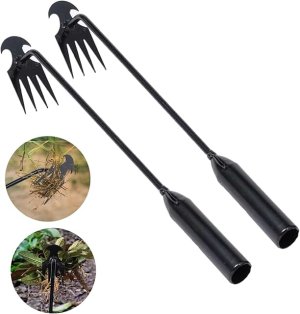
My fields were bad when I first moved here and elbow grease and a ragwort fork did the trick for me. I do weed/spot spray yard and paths but not in the fields.
That is correct, in my case there is no chance of a herbicide coming into contact with edible grass as the only place I need to spot spray docks is in their regular toileting areas which are usually burnt with urine but docks tend to thrive.I didn't miss it but it's incredibly difficult not to include grass even spot spraying unless there's none at all to include.

That’s Forefront.
The ‘damage’ to livestock insides appears to be undetectable, also undetectable in meat or milk from livestock which have eaten hay / silage / grass etc, which has initially been treated with Forefront.
The problem arose when (and it’s usually horseowners / allotmenteers experienced this) when rotted down manure from such animals was applied, as compost, to Broadleaf plants like potatoes. Some of them curled up and died.
If you want truly organic manure, no wormers, no veterinary drugs, no fly sprays, no supplements, and micro manage what they eat.
Don’t know what you’re selling (and it is possible to buy pretty much any controlled drugs off the Internet, anyway), but most of the agro-chemical herbicides and pesticides now need a proven user’s certificate, showing completion of the mandatory five day spraying course, before sale.

I only strimmed the docks, there was very little grass between them, but it did grow once they'd goneare they more palatable as they grow back? Sorry I’m useless but would this cut the grass as well? There’s not really a space of paddock free without the dock leaves atm so don’t want to strim and remove all the grass too


We use a homemade spray at home. White vinegar, salt and washing up liquid. It seems to work very well.There’s really no need to spray, it’s quicker and easier but think of the environment, everyone saying ‘it’s only a few acres it won’t matter’. Those few acres add up nationwide to gallons of chemicals.
Just cut, cut, cut and keep cutting. It’s a longer job but you aren’t killing randoms at the same time.
You could be right about numbers of muppets, so if you have evidence the certificate isn’t worth the paper it’s written on, try agitating with DEFRA, LANTRA, the agricultural colleges, environmental pressure groups etc to improve the content and upgrade it.We are an agricultural farm shop so we sell everything and it’s right you need a certificate but it doesn’t mean the certificate holder has learnt anything. It’s just a pa2 you need to buy sprays which isn’t the 6 day course though.

What proportions do you use? I’ve tried it before following whatever quantities came up on google and it didn’t kill a thing. I tried it on yard weeds not docks.We use a homemade spray at home. White vinegar, salt and washing up liquid. It seems to work very well.
Perhaps an alternative to 'chemical' sprays?