leather mould prevention

expanding_horizon

Well-Known Member
Joined
1 April 2019
Messages
544
Visit site
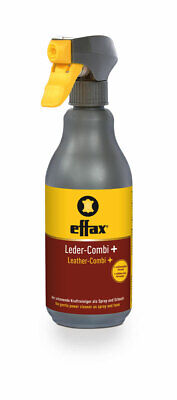
I saw effax-leather-combi-plus recommended for mould prevention on tack in winter.

Has anyone tried it? Sbloom would this be very bad for leather? I have an unheated tack room, which is not ventilated, and can get damp.

I do have tack in sealed containers with lots of damp trap bags inside containers.


I’ve brought my tack home. Horse is on box rest and my jump saddle tended to get mouldy last winter even when I was riding so I figured it would all be better off at home.
 
A thread with @cremedemonthe ’s advice about getting rid of mould

 
Prevention mostly involves keeping tack in a warm, dry place. Wiping with white vinegar will remove it and help to stop it returning for a while. I have a heater and a dehumidifier in my tack room.
 
I've found vinegar tricky, it marked a pair of old Spanish boots I had. Leather Therapy products used to be very good for mould, the trouble is none of these products have to list ALL their ingredients, so they just list the ones they know everyone will like.

It might be worth looking at a solar panel big enough to run a tube heater or similar if funds allow.
 
I use an anti fungal spray by Lincoln but also find leaving saddle out in daylight helps if not being used much. Usually try and get it out during mucking out and stick it on stable door. Hang bridles up the same then just put away after finished mucking out. It’s usually tack that’s not used much.
 
I've found vinegar tricky, it marked a pair of old Spanish boots I had. Leather Therapy products used to be very good for mould, the trouble is none of these products have to list ALL their ingredients, so they just list the ones they know everyone will like.

It might be worth looking at a solar panel big enough to run a tube heater or similar if funds allow.

I would assume this is less harmful than vinegar to leather? https://hyperdrug.co.uk/effax-leather-combi-plus-500ml/

Adding any kind of heater is not possible. I do take it home when it gets rained on to dry out.
 
I keep my tack in an unheated, poorly ventilated, internal 'room' in the house.
Mildew is a problem every Autumn/Winter and I usually have to wipe it off the infrequently used bridles once at some point.
This year has been exceptional for mildew growth - I've had to wipe it off twice already, even the more often used tack, including stirrup leathers. This is a first!
Over the years I've tried warm water and soap, leather wipes, baby wipes, antibacterial wipes.
The last thing I tried was rubbing alcohol.
Nothing has stopped regrowth.
Bought a humidistat (cost less than £10) and got a reading of 68%.
I've washed all infrequently used affected tack in warm soapy water, dried it very thoroughly and stored it in plastic boxes between old pillowcases with reactivate-able orange indicator silica gel beads.
Bought a dehumidifier.
Fingers crossed....
 
I would assume this is less harmful than vinegar to leather? https://hyperdrug.co.uk/effax-leather-combi-plus-500ml/

Adding any kind of heater is not possible. I do take it home when it gets rained on to dry out.

I'm sure it is, yes, though cremedemonthe swears by vinegar, and as I say it's hard to comment on products when you don't know the full ingredients. I have used Leather Therapy a few years back hence my comment.

 
I saw effax-leather-combi-plus recommended for mould prevention on tack in winter.

Has anyone tried it? Sbloom would this be very bad for leather?

I struggle to see how any long standing product from a brand with a reputation to maintain is ever going to be "very bad for leather". If it was, it would have disappeared from sale.

I've got, and seen with friends, leather that's been been treated for years with Stűbben or Effax, which reputedly contain "bad" stuff and Neatsfoot, which reputedly rots stitching, and not had any trouble.
.
 
I’ve finally found a way to use cremdementhe’s product. I’ve always found it too hard to spread.
I found the pot I have sits neatly in the top of my Pyrex jug. Part fill jug with boiling water and sit leather conditioner pot on top. In the time I’ve wiped over my tack the bottom portion is soft enough to use. Turn it out so it’s upside down.
 
I struggle to see how any long standing product from a brand with a reputation to maintain is ever going to be "very bad for leather". If it was, it would have disappeared from sale.

I've got, and seen with friends, leather that's been been treated for years with Stűbben or Effax, which reputedly contain "bad" stuff and Neatsfoot, which reputedly rots stitching, and not had any trouble.
.

No-one's saying any of these products are "very bad". I just resent an industry that sells product on the basis of partial information and it is fact that anything with solvents in it will not be as good for leather as something that does not. Equally when I'm in a hurry on a yard and need to weatherproof a new saddle then I quickly slap Effax on it as I do not have the facilities that little_critter mentions to soften my preferred Saddlers Blend from cremedemonthe, so I don't think it's going to harm any leather in an application or two. My ReactorPanel saddle looked okay after 5 years of Effax but I do see better results from Saddlers Blend and similar.

I have never said that neatsfoot rots stitching, I'm sure it could when we had linen thread but it's almost all polyester now. It does however stretch leather fibres rather than truly feed them, and does not really weatherproof the outside, so for most saddles it's not a great idea.

The Stubben tube conditioner isn't bad, but still no idea of its ingredients so I generally don't recommend it as such.
 
They are a loose (and much cheaper) version of the little packets of moisture absorbing silica gel beads you often get in packaging when buying leather goods such as shoes.
I bought 2kg of them from ebay. Cost less than £22. Company is called Trustleaf.
I bag them in curtain netting to make handling easy.
Sold to dry flowers but have other uses.
The ones I bought go from orange to very dark green as they absorb moisture.
They can then be dried out for reuse in a microwave or oven.
 
Last edited:
Top