
Muck Heap Regulations

Little Mo

Member
Joined
7 January 2022
Messages
25
Visit site
Wondering if you can help please
My current muck heap is not suitable as in winter it runs into a land drain/ditch

I’ve just ordered a concrete base to go down and a wall around it so should help

anyone know what the rules are please as if im paying to get it done, it’s not cheap, I’d prefer to do it right

Thanks
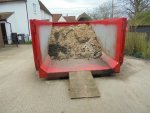
 
My understanding is that any muckheap can only stay in one place for 2 years and not go back there for 5 unless it is bunded (ie in concrete I think as you have done) If it is bunded then it stay there as long as you like. I think that may alter if you are near a watercourse or in a phosphate sensitive area. Defra will be able to supply that info for you.
 
Regulations differ, depending on whether you are running a livery yard or if it is for private use only. Some rules apply about putting down concrete in areas where it will prevent soak away (suds)
 
This link might help Here
You will then need to look at the 2 links within that section

Horse manure and other types of waste
Anyone who keeps, produces, carries, treats, recovers or disposes of waste is subject to various requirements. The treatment, storage, recovery and disposal of waste is regulated through environmental permits and exemptions set out in the Environmental Permitting (England and Wales) Regulations 2016.

Horse manure
When you dispose of horse manure, it’s waste. Regulatory authorities will not normally take action if:

  • it is used as soil fertiliser
  • you limit its storage to the needs of the spreading operations carried out on your agricultural holdings
You must not spread horse waste near water. You must comply with Nitrate Vulnerable Zones (NVZ) and groundwater legislation if your land falls under their remit when spreading manure or slurry.

You must not locate temporary heaps of field manure where there is risk of run-off:

  • to nearby field drains
  • within 10 metres of a watercourse
  • within 50 metres of a spring, well or borehole that supplies water for human consumption
Other solid farm waste
You must only dispose of solid waste at a suitably permitted facility or at a site exempt from the need for a permit. Solid farm waste includes:

  • contaminated bedding
  • food containers
  • faecal matter
  • empty pesticide and other chemical containers
  • plastics such as silage wrap, bags and sheets
  • tyres, batteries, clinical waste, old machinery and oil
If you transport waste as part of your business, you must have the appropriate waste carrier authorisation.

Before using a composting plant, you must register it with the Environment Agency. You may not require an environmental permit for on-site composting, but the open burning of controlled wastes is an offence. Contact the Environment Agency or your local authority to find out which sites take industrial waste.
 
This link might help Here
You will then need to look at the 2 links within that section

Horse manure and other types of waste
Anyone who keeps, produces, carries, treats, recovers or disposes of waste is subject to various requirements. The treatment, storage, recovery and disposal of waste is regulated through environmental permits and exemptions set out in the Environmental Permitting (England and Wales) Regulations 2016.

Horse manure
When you dispose of horse manure, it’s waste. Regulatory authorities will not normally take action if:

  • it is used as soil fertiliser
  • you limit its storage to the needs of the spreading operations carried out on your agricultural holdings
You must not spread horse waste near water. You must comply with Nitrate Vulnerable Zones (NVZ) and groundwater legislation if your land falls under their remit when spreading manure or slurry.

You must not locate temporary heaps of field manure where there is risk of run-off:

  • to nearby field drains
  • within 10 metres of a watercourse
  • within 50 metres of a spring, well or borehole that supplies water for human consumption
Other solid farm waste
You must only dispose of solid waste at a suitably permitted facility or at a site exempt from the need for a permit. Solid farm waste includes:

  • contaminated bedding
  • food containers
  • faecal matter
  • empty pesticide and other chemical containers
  • plastics such as silage wrap, bags and sheets
  • tyres, batteries, clinical waste, old machinery and oil
If you transport waste as part of your business, you must have the appropriate waste carrier authorisation.

Before using a composting plant, you must register it with the Environment Agency. You may not require an environmental permit for on-site composting, but the open burning of controlled wastes is an offence. Contact the Environment Agency or your local authority to find out which sites take industrial waste.
Thanks so much it’s a big help
 
Top