AthenesOwl
Well-Known Member
Sorry in advance, but this is going to be a long one. Basically, I want to check what I should be asking the vet about in relation to weight loss in my horse, and if there’s anything else I should be thinking about.
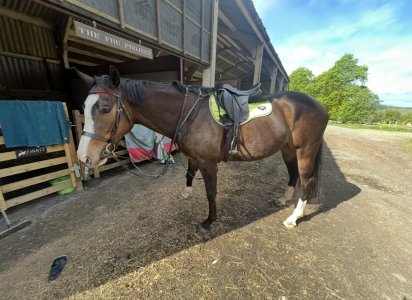
I’ve had my 18 year old ISH gelding for 6 months now, and he was a reasonable weight when I got him, albeit his ribs were visible and needed to build muscle. He lost a bit of weight in the first three months that I had him, and I thought that in part this was because he was being kept at a yard where the grass was poor quality and he didn’t have ad lib access to forage in the field. I therefore moved him to a different yard, which has been excellent. The grass is much better quality, he’s got all the forage he could want, whether in or out, and his feed has been changed to provide more calories (Alfa-a chaff, senior balancer). However, he continued to lose weight, which I thought was because he needed his teeth done, which was indeed the case, and about 4 weeks ago he had extensive dental work done, including an extraction.
He’s been eating really well since then, and is currently having two daily feeds of grass nuts with linseed oil added for calories, on the vet’s recommendation, because of his diastama. He initially seemed to gain a little weight, but is now losing weight again. He’s eating well, and although he is slightly stiff on flexion in both hind legs, is sound and seems in good spirits. He’s still losing his winter coat, which is looking a bit patchy.
My yard owner, who has been very supportive, suggested a worm count and also getting the vet out to do bloods, which are being checked early next week. Can Cushings cause weight loss? I’m aware that can be a problem in older horses. Are there other things I should be asking the vet about?
I’ve had my 18 year old ISH gelding for 6 months now, and he was a reasonable weight when I got him, albeit his ribs were visible and needed to build muscle. He lost a bit of weight in the first three months that I had him, and I thought that in part this was because he was being kept at a yard where the grass was poor quality and he didn’t have ad lib access to forage in the field. I therefore moved him to a different yard, which has been excellent. The grass is much better quality, he’s got all the forage he could want, whether in or out, and his feed has been changed to provide more calories (Alfa-a chaff, senior balancer). However, he continued to lose weight, which I thought was because he needed his teeth done, which was indeed the case, and about 4 weeks ago he had extensive dental work done, including an extraction.
He’s been eating really well since then, and is currently having two daily feeds of grass nuts with linseed oil added for calories, on the vet’s recommendation, because of his diastama. He initially seemed to gain a little weight, but is now losing weight again. He’s eating well, and although he is slightly stiff on flexion in both hind legs, is sound and seems in good spirits. He’s still losing his winter coat, which is looking a bit patchy.
My yard owner, who has been very supportive, suggested a worm count and also getting the vet out to do bloods, which are being checked early next week. Can Cushings cause weight loss? I’m aware that can be a problem in older horses. Are there other things I should be asking the vet about?