Sheath cleaning

KG73

Member
Joined
7 February 2022
Messages
24
Visit site
Hello,

A first time horse owner… could I have opinions on sheath cleaning and bean removal? I have a healthy Clydesdale cob X and I’m getting mixed advice as to whether sheath cleaning is necessary. The vet thinks not unless there’s a reason to do it, other livery owners at the yard think it’s a good idea. There is quite a lot of cleaning that goes on in my yard and I suppose although I do like a groom (and so does my boy to a certain extent) I generally lean towards the ‘if it’s not necessary don’t do it’ side of most cleaning issues (at home and at stable 🤣) but if there’s a health/welfare/preventative reason behind it (even with a horse that’s not showing any problems) then I’ll get it done (and how often would be my next question?)… I hope not too daft a question…. X
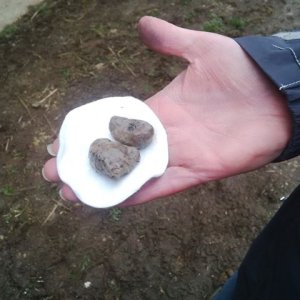
 
I got the Bean Lady to do it for the first time a few years ago and was pretty horrified by what she found! He’s done once a year now.

IMG_1316.jpeg
 
Hello,

A first time horse owner… could I have opinions on sheath cleaning and bean removal? I have a healthy Clydesdale cob X and I’m getting mixed advice as to whether sheath cleaning is necessary. The vet thinks not unless there’s a reason to do it, other livery owners at the yard think it’s a good idea. There is quite a lot of cleaning that goes on in my yard and I suppose although I do like a groom (and so does my boy to a certain extent) I generally lean towards the ‘if it’s not necessary don’t do it’ side of most cleaning issues (at home and at stable 🤣) but if there’s a health/welfare/preventative reason behind it (even with a horse that’s not showing any problems) then I’ll get it done (and how often would be my next question?)… I hope not too daft a question…. X
Naturally living stallions covering mares..... geldings are unnatural, and if you’ve really drawn the short straw, might even have one that produces excessive smegma and shed skin to the extent the whole gunked and caked up area can make the horse stiff and lame behind. Can also develop urinary tract infections, or egg laying flies, to say nothing of the smell!
That’s the extreme end, and most geldings are nothing like this foul.
I’m not a gelding fan, partly due to once owning one of these horror stories, fetching the vet out several times, and finally being advised I’d just have to keep on top of the problem, c. each fortnight!!
Vet left a bottle of obstetric gel, box of surgical gloves. Tried leaving him to self-heal, in case the continual cleaning was provoking things, but unfortunately did prove necessary to keep him comfortable. Grim, but must be far worse for the horse.
Generally c. 4 months seems more realistic for most, but if you start to notice a smell and / or grease marks inside his hind thighs, get a professional to show you what to do and keep on top of it. Good luck!
 
I got the Bean Lady to do it for the first time a few years ago and was pretty horrified by what she found! He’s done once a year now.

Naturally living stallions covering mares..... geldings are unnatural, and if you’ve really drawn the short straw, might even have one that produces excessive smegma and shed skin to the extent the whole gunked and caked up area can make the horse stiff and lame behind. Can also develop urinary tract infections, or egg laying flies, to say nothing of the smell!
That’s the extreme end, and most geldings are nothing like this foul.
I’m not a gelding fan, partly due to once owning one of these horror stories, fetching the vet out several times, and finally being advised I’d just have to keep on top of the problem, c. each fortnight!!
Vet left a bottle of obstetric gel, box of surgical gloves. Tried leaving him to self-heal, in case the continual cleaning was provoking things, but unfortunately did prove necessary to keep him comfortable. Grim, but must be far worse for the horse.
Generally c. 4 months seems more realistic for most, but if you start to notice a smell and / or grease marks inside his hind thighs, get a professional to show you what to do and keep on top of it. Good luck!
Hmm… that’s interesting, hadn’t made the connection to the issue of being gelded. Perhaps then the best thing to do is to get it done every few months. My vets out on Monday (a different vet to the one I originally spoke to) so I’ll see what she says. Thank you so much!
 
Hmm… that’s interesting, hadn’t made the connection to the issue of being gelded. Perhaps then the best thing to do is to get it done every few months. My vets out on Monday (a different vet to the one I originally spoke to) so I’ll see what she says. Thank you so much!
That’s likely to be plenty for most geldings, altho vets differ, a young one in our current practice thinks it’s rarely even necessary. I wish, we all wish!
My vet then was also the Racecourse vet, purely equine, involved with performance and breeding, and far more experienced.
Main thing is a comfy horse! If he’s producing excess gunge which solidifies and cakes up - won’t do anyone any favours to pretend he isn’t, and when regularly cleaned, not such a horrible job as when accumulated.
 
I think it varies between horse. My old boy needs regular cleaning due to melanomas in his sheath - I stay on top of that due to having battled fly strike previously. Vet’s advice was just warm water and cotton pads, which works well. My others only get done when there’s an aroma from the area/grease marks on the legs. Top tip is always wear disposable gloves as the smell can cling….!
 
I think it varies between horse. My old boy needs regular cleaning due to melanomas in his sheath - I stay on top of that due to having battled fly strike previously. Vet’s advice was just warm water and cotton pads, which works well. My others only get done when there’s an aroma from the area/grease marks on the legs. Top tip is always wear disposable gloves as the smell can cling….!
It's one of those thing I know how to do, perhaps done it a couple of times and have never had to do it gain, and I have owned colts and geldings.
For the most part I think its just something else people can charge for, when really its a natural process like most of these secretions from the body, they maintain the bodies natural bacterial defences and removing them can either introduce infection or allow bacteria the thrive. So unless there is problem leave well alone.
I have a gelding with large sarcoids on this sheath and the vet sedates him once a year to check them properly. He has had a large one removed from the tip of his sheath, because it was very large and starting to catch when he laid down, and the rest of the time he is left alone.
 
I think it varies between horse. My old boy needs regular cleaning due to melanomas in his sheath - I stay on top of that due to having battled fly strike previously. Vet’s advice was just warm water and cotton pads, which works well. My others only get done when there’s an aroma from the area/grease marks on the legs. Top tip is always wear disposable gloves as the smell can cling….!
Definitely varies with the horse, thankfully!
Naturally-covering stallions will clean themselves anyway, and stud grooms usually wash them before and after services, but like any human with unusual skin / secretions, if your horse has that problem - he needs help, it’s not ok to dismiss as part of ‘nature’ and permit such discomfort, just because you never realised such problems exist, or just didn’t want to hear it.
My vet was extremely blunt about ‘mealy-mouthed women’ who won’t look after such a horse, I felt very small.
Smell is gross....
 
I think it varies between horse. My old boy needs regular cleaning due to melanomas in his sheath - I stay on top of that due to having battled fly strike previously. Vet’s advice was just warm water and cotton pads, which works well. My others only get done when there’s an aroma from the area/grease marks on the legs. Top tip is always wear disposable gloves as the smell can cling….!
Same here, mine only get done if there's gunk on their legs, and then with warm water and a clean J cloth
I remember years ago my local tack shop sold 'Sheath cleaner with mint'!
 
One of mine needs cleaning fairly regularly he gets greasy, he's very good about it and when I appear with the sheath cleaning bucket he walks up and parks in front of me and will hold his leg out for better access 😂 I don't really clean the others but will check for beans every so often.
 
Same here, mine only get done if there's gunk on their legs, and then with warm water and a clean J cloth
I remember years ago my local tack shop sold 'Sheath cleaner with mint'!
I was told to avoid proprietary sheath cleaners, but stick to veterinary / obstetric lubricant gel, warm salt water, and lots of cotton wool swabs. If horse won’t drop, full length disposable calving gloves.....oh joy.
To be fair, mine was so relieved to be cleaned he stood like a statue.
 
I think it varies between horse. My old boy needs regular cleaning due to melanomas in his sheath - I stay on top of that due to having battled fly strike previously. Vet’s advice was just warm water and cotton pads, which works well. My others only get done when there’s an aroma from the area/grease marks on the legs. Top tip is always wear disposable gloves as the smell can cling….!
Thanks for the top tip!!
 
I think this depends on the horse and the work it’s doing
Hunters as an example gallop about in the mud and a result all sorts get in the sheath
So I wash them ( if they are safe ) every time they hunt but will just use warm water.
My horse Sky produces beans regularly luckily he’s not at all shy so I get hold of his Willy after he’s peed and and clean out beans often .
I think a fat horse has more sheath issues than a slim one.
 
New horse owner myself. I didn’t know when my gelding had last been done (if ever) so I got some gloves and sheath cleaner and me and my parter did it ourselves. Very gently and slowly we let him know what we were doing. Initially he raised his rear leg a few times, but soon calmed as soon as realised we were helping him. We managed to remove a sizable bean along the way. Like others have said, you can pay for the service, or if he’s really doesn’t like it, use his next sedation to do it.. but really nothing to it and it’s not a big deal with a pair of gloves on, plus benefits greatly outweigh the time and effort.
 
Am lucky that Pidge drops his out regularly, and in particular if he has sand on his sheath as I have to get rid of it for him, so take the opportunity when he drops it to pop any bean out. Done regular, so never get large beans out, but definitely needs doing. Years ago girl who stabled her gelding next to me had never heard of the bean, and got her vet to check. Her gelding had to have it cut up into four pieces as too large for vet to get out in one piece!
 
Last edited:
My PSSM1 boy has a disgusting sheath - not sure if there's a connection. Anyway, I do clean it once a month or so (I honestly do need to, as he produces a LOT of smegma and flakes which harden). I use vagisil to loosen it, then warm water to remove it and rinse. He's overdue, actually, so need to check where my long sleeved gloves are!
 
Haven't read the replies but it is absolutely necessary. Mine will get beans and he won't drink water and will become severely dehydrated. He will also look lame and very sore and tight in his back and have a short, choppy gait. He does get a little happy when he's being cleaned though! 😂

Mine produces a lot of smegma but one good and proper cleaning a year-ish (I think I average about 7-8 months) usually is sufficient for him. I don't like to do it too often as there is a very careful pH balance to maintain. I used to just get KY Jelly and use warm water but haven't been able to find KY Jelly in a while so get a gentle natural lube ..oh yeah and some gloves (always yields interesting looks in Boots 😂😂).
 
I used to do it myself but now I get the bean lady out once a year. My horses are not especially bad but she also checks for unusual growths etc. Both have had small beans.

She is really quick and efficient and it's done in minutes.

It also created hilarity on the local village FB page when I announce that the equine willy washer is visiting and ask anyone interested to sign up so we can share her travel! I get many husbands put forward for the service!
 
Haven't read the replies but it is absolutely necessary. Mine will get beans and he won't drink water and will become severely dehydrated. He will also look lame and very sore and tight in his back and have a short, choppy gait. He does get a little happy when he's being cleaned though! 😂

Mine produces a lot of smegma but one good and proper cleaning a year-ish (I think I average about 7-8 months) usually is sufficient for him. I don't like to do it too often as there is a very careful pH balance to maintain. I used to just get KY Jelly and use warm water but haven't been able to find KY Jelly in a while so get a gentle natural lube ..oh yeah and some gloves (always yields interesting looks in Boots 😂😂).
Thats interesting, my boy (who I dont suppose has ever been done) also has a rather short gait - we put it down to his age, breed (cob x clydesale) and lack of schooling but it will be interesting to see if the bean removal helps.
 
Top