chillidragon
Well-Known Member
Two points here: firstly, this isn't about cross-country or hunting; it's about show-jumping, which I'm sure you will agree requires a greater degree of finesse and collection, and good seat-control can pay dividends.
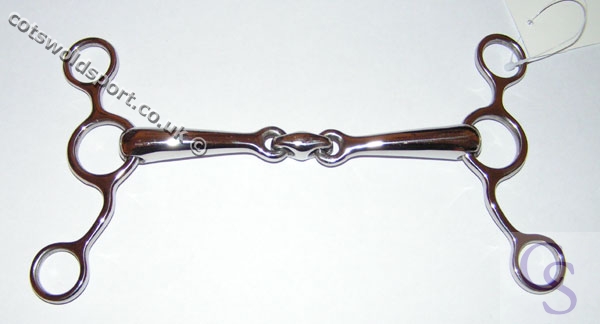
Secondly, about the severity of bits: what you've said about bits being no harsher than the hands that use them (isn't that a Monty Roberts quote?) is more-or-less what I'm arguing, but whilst you argue that you have very light hands (and I am happy for you) the concern here is that this thread seems to be about 'getting control now', and that a snaffle hasn't established that control so perhaps more severe bit will? But here's my concern: apply 2lb of pressure on a snaffle and it's 2lb of pressure on the bars/tongue. Apply 2lb of pressure on a pelham with 2" levers and (depending on precisely how it's set up) you're actually exerting around 5lbs of pressure. This may end up as 3lb on the bars, 1lb on the poll and 1lb on the curb, or any similar division of that labour (with the majority going to the bars since these act as the fulcrum). Apply 2lb of pressure on a Tom Thumb bit with 4" levers and you're exerting close to 10lb of pressure, which again, depending on the bit set-up, may divide into 6lb bars/4lb poll or whatever. This can fool the rider into thinking that they're riding with a very light touch, but they could actually be exerting the same, or even far more force than they would in a milder bit. Essentially then all that's happened is that the bit has made it far easier for the rider to haul on the horse's mouth without ever appearing to do so, and if the rider uses the bit as their primary 'control' device, this can work out very badly for the horse.
Secondly, about the severity of bits: what you've said about bits being no harsher than the hands that use them (isn't that a Monty Roberts quote?) is more-or-less what I'm arguing, but whilst you argue that you have very light hands (and I am happy for you) the concern here is that this thread seems to be about 'getting control now', and that a snaffle hasn't established that control so perhaps more severe bit will? But here's my concern: apply 2lb of pressure on a snaffle and it's 2lb of pressure on the bars/tongue. Apply 2lb of pressure on a pelham with 2" levers and (depending on precisely how it's set up) you're actually exerting around 5lbs of pressure. This may end up as 3lb on the bars, 1lb on the poll and 1lb on the curb, or any similar division of that labour (with the majority going to the bars since these act as the fulcrum). Apply 2lb of pressure on a Tom Thumb bit with 4" levers and you're exerting close to 10lb of pressure, which again, depending on the bit set-up, may divide into 6lb bars/4lb poll or whatever. This can fool the rider into thinking that they're riding with a very light touch, but they could actually be exerting the same, or even far more force than they would in a milder bit. Essentially then all that's happened is that the bit has made it far easier for the rider to haul on the horse's mouth without ever appearing to do so, and if the rider uses the bit as their primary 'control' device, this can work out very badly for the horse.