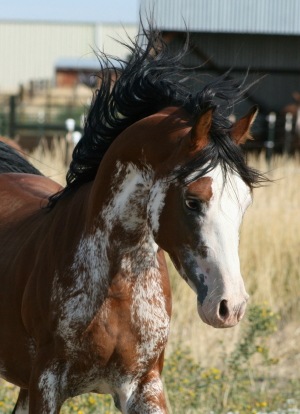
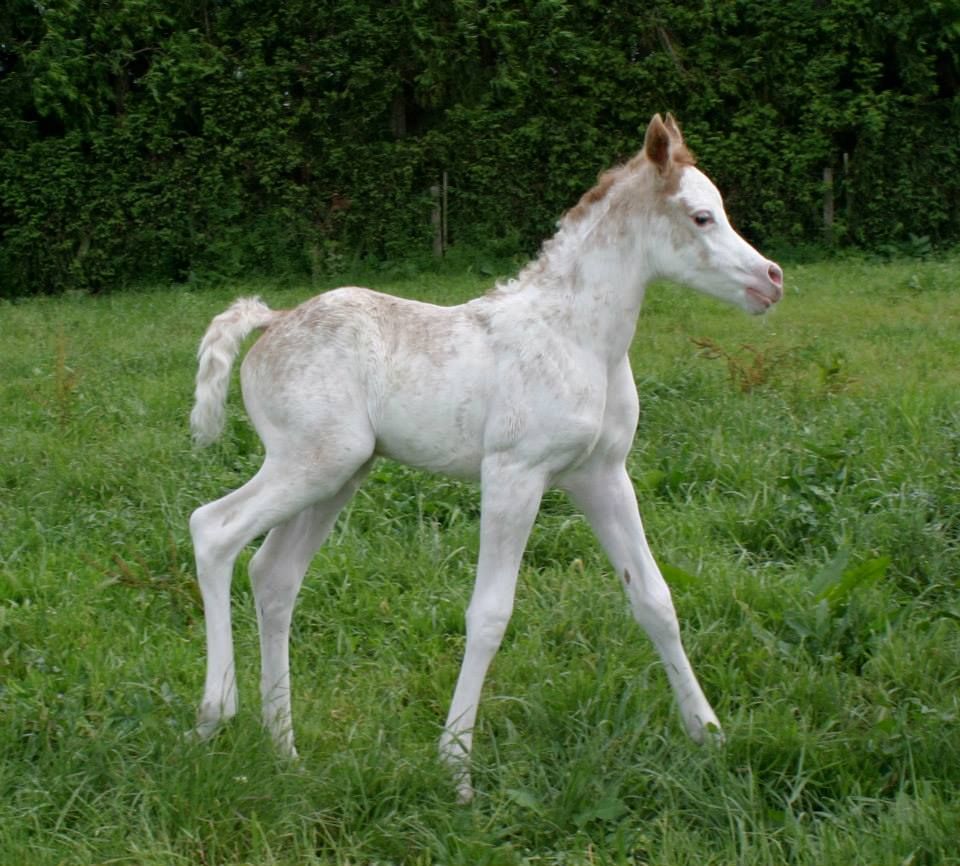
What colour is/are your horse/s?

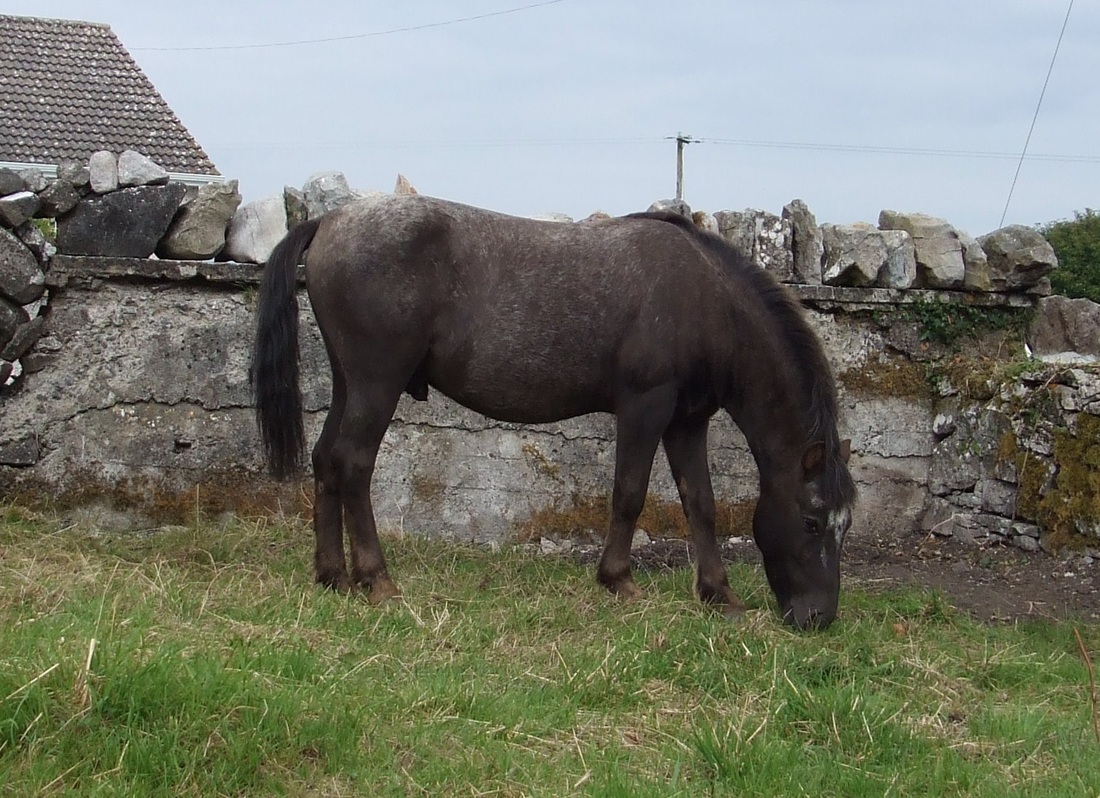
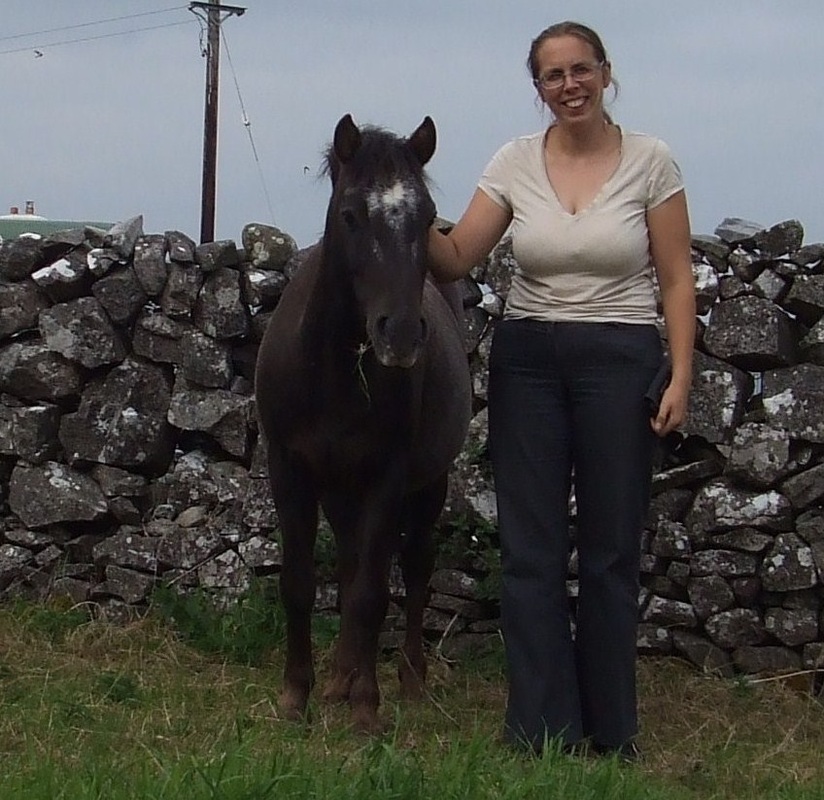
Black gelding clipped summer coat
10496131_830900036944340_892015105121936929_o.jpg

Sorry for the overload!

This is the photo that made me think he's very dark seal brown as you can just see the brown on the muzzle and by the eye, it is very subtle.
And just so he's not left out my share horse. Fleabitten grey with chestnut flecks (although not so obvious in this pic as they tend to blend together in winter and just create an overall off white colour) but even at 19 he still has quite a dark mane and tail - his mane is a darker grey but the dark bits of his tail are chestnut. It's a little bit muddy in this photo but not far off its normal colour.
ba224f9d-d3e3-4ce5-87fe-bd66efd68001_zpsagkikbth.jpg

He was almost certainly born chestnut. My own grey is heterozygous for grey. She was born chestnut, quickly greyed out to pure white by 2 years of age and then started to develop fleabites. She doesn't have sooty, so never went through a dappled stage. I have read that homozygous greys are possibly more prone to melanomas, but I have not seen any research to back it up, so it could just be an old wives tale. A lot of very old grey horses do get fleabites, so it could be a time thing? Again I've not seen any proper research into this.
 
I thought the same about the darker of P+S's horses but wondered if the lighter one could be a bright bay with pangare?

Pangare gives a much paler result on the areas where it restricts the pigment eg

PangareSkardarett.jpg


I know that I'm just giving my best 'educated guess' from how the horse looks and that it's not the same as having the horse DNA tested, so I'm always always prepared to be wrong. :)
 
Love all these, thank u all for joining in, SatsumaGirl seeing ur Connie x Cob makes me sure that's what Winnie is! She was born piebald, blue and white at rising 4, Grey with some flea bitten bits at rising 7. Will she get more flea bitten? They seem to just be on her bits that used to be colour.
 
xgemmax - the skewbald is a brown tobiano (probably seal brown tobiano as he looks like he'd be quite dark if he wasn't clipped). There is more than one gene that causes white flecks in the coat. Sabino and Rabicano are possibilities for your chestnut, but she doesn't look like she has the Roan gene. Is the 'roaning' mainly on the flanks and do you have a better photo of her tail from behind?

ETA - Hoof Print's tobaino is also a seal brown tobiano and I also wonder if the buckskin is actually brown based too.

He looks darker when fully clipped, he has a more red brown colour if left unclipped or when he has his summer coat

Fully clipped late summer
10712753_10204171688108069_158452378809650928_n.jpg

10418331_10204074287473114_3734905886305515931_n.jpg

Summer coat unclipped
12376_10200610109190822_1564936832_n.jpg


I have an interesting colour photo of the buckskin, she goes orangey in the summer and her winter coat is paler sandy yellow. this photo is of various clip lines from different dates, doesn't show her sandy colour though
420937_4497906281392_426438264_n.jpg
 
He looks darker when fully clipped, he has a more red brown colour if left unclipped or when he has his summer coat

Fully clipped late summer
10712753_10204171688108069_158452378809650928_n.jpg


12376_10200610109190822_1564936832_n.jpg
That's interesting as he looks brown in the clipped photo and bay in the summer one (ignoring the white markings).

Do you have an unclipped winter coat photo?
 
That's interesting as he looks brown in the clipped photo and bay in the summer one (ignoring the white markings).

Do you have an unclipped winter coat photo?

I'll try and find what I can, he has a big hairy coat and feathers (has some irish gypsy cob showing through!) so usually fully clipped most of the year, or at least feathers clipped. I'll have a search.. sure he had an abscess one winter so he wasn't clipped and I think I took a photo
 
Faracat, is mine a bay and white? How do you tell?

And what what is the difference between a Sabino and tobanio?

Sorry for so many questions! :)
 
Struggling with the winter coat, the best I have is a few weeks after a clip, he has a fair bit of feather on - note the gypsy mane trying to grow through! constant battle with it haha.
1926933_10205351997815074_502088060693294640_n.jpg

He was also rather fluffy here, this was around spring before he started moulting and I couldn't face another clip just yet
602715_10200392716756147_1397155273_n.jpg


Here is is, freshly clipped november time 2013, ignore my position I was in pain after jumping with a twisted ankle !
1451482_10201977154766107_504909090_n.jpg

Freshly clipped boxing day 2014 (same day as the previous first photo)
10896951_10204839792650265_1284738901952887163_n.jpg


He does like to change his colours, he is now the darkish brown with red flecks as his summer coat starts to come through
 
My cob is a piebald

5573583_orig.jpg


My daughters new little rescue pony is described as appaloosa on his passport, but that's clearly nonsense. I would say a brown roan? Happy to be corrected though. His coat is a mix of chestnut (quite metallic in some lights), brown and grey. I have no idea how he's bred! Any guesses very welcome (he's 11.2hh and about 12 years old).

2779582_orig.jpg

8667820_orig.jpg
 
Last edited:
From this photo, he looks to be a bay tobiano, but if in his winter coat he is dark with the brown muzzle, eye shadow, armpits, flanks etc... then he could be brown rather than bay. To see the base colour, you have to imagine the horse without the white markings. If the white was paint, what colour would the horse be if you washed it off?

Tobiano and Sabino are both genes that put white (or areas with no pigment) on the coat. They are known as pinto or coloured genes. A horse can have both, but they are not the only ones, there are other pinto/coloured genes eg frame overo as shown by s4sugar's horse.

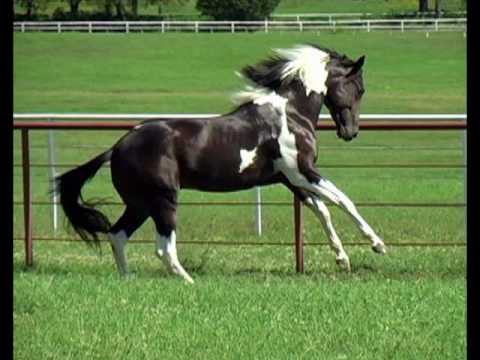
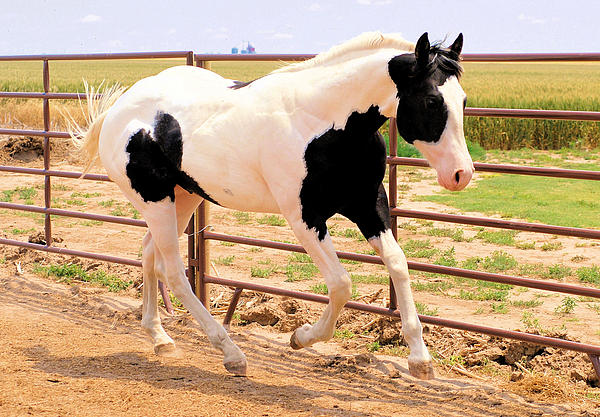
So tobiano is the classic UK piebald or skewbald with white legs and white patches on the body that go over the topline, as if the horse has been standing in white paint and someone has also poured a bucket of white paint over the top of them. They can be minimal, so most of the horse is still the base colour, or with much more white but normally the ears and often the chest and the flanks are left pigmented.

Both of these horses are tobianos.

hqdefault.jpg


1-tobiano-paint-horse-cheryl-poland.jpg


Sabino also puts white on a horse and can be minimal, right up to the horse being pretty much all white. So it can cause a small white sock and a small star, some white flecks in the coat, belly splashes, big white markings on the head and legs, loud 'roaning' (often called blagdon in the UK when the colour is on a cob) right up to the aforementioned 'white horse'. Sabino markings are jagged edged.

jazmyn072112a.jpg


090907BadHairDay.jpg


d4e8a5346cb75d1e848d0f25e3d4ac22.jpg
 
Ignoring the resemblance to a toastrack (he was unrugged and unloved during a winter til I took him on full loan :( ), is he dark bay or brown/seal brown?

Boomerang.jpg

Brown and IMO dark enough to be called seal brown. :)
Struggling with the winter coat, the best I have is a few weeks after a clip, he has a fair bit of feather on - note the gypsy mane trying to grow through! constant battle with it haha.
1926933_10205351997815074_502088060693294640_n.jpg

He really looks brown rather than bay there. :)


So, so cute! :) I looked at the photo and thought that he might be dark liver chestnut with snowflake 'appaloosa' markings and then I read that he's down as an appaloosa coloured in his passport, which is of course a breed, not a colour, but hey ho. :D
 
TT - I can't really tell from that photo, but google 'horse birdcatcher spots' and see if that's a possibility. :)

K2 - the photo works when I click on it. :)
 
TT - I can't really tell from that photo, but google 'horse birdcatcher spots' and see if that's a possibility. :)

K2 - the photo works when I click on it. :)

cool thanks, I don't know why they never show up on the post though! sooo annoying that people have to click into it! Photobucket can be soooo slow!
 
TT - OK, she looks like she has snowflake marks on her hindquarters, so a spotty 'appaloosa' pattern. If the brother has also inherited LP and/or PATN (the two genes involved in spotty patterns) then his markings will be caused by them.
 
Top