Cowpony101
Member
my horse has developed a sarcoid on his sheath, can anyone recommend effective treatment? Currently using aloe vera...




Look up for sarcoid centre group on FB. Tracy have there amazing results and so many feedback from customers with photos. We will going her direction shortly so cant say from own experience yet but you can make your own opinion on her page.my horse has developed a sarcoid on his sheath, can anyone recommend effective treatment? Currently using aloe vera...

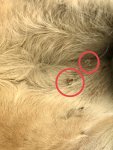
Is Thuja cream or Blood Root ok for sarcoids? Mine has what I suspect are sarcoids near his sheath too.Just to reiterate do not put anything on a sarcoid that’s makes skin heal .
Are the flys bothering it ?
Is Thuja cream or Blood Root ok for sarcoids? Mine has what I suspect are sarcoids near his sheath too.
Thank you for the advice. It’s not something I’ve come across before so a bit out of my depth. He’s had one of them for a while and it hasn’t changed but the smaller one is new. Seems like it’s best to keep an eye on them until the vets resume usual service.Yes but it's no gentle homeopathy/ herbal cure, it contains a very aggressive chemical and if carries exactly the same risk of 'waking up' a dormant sarcoid as any other treatment, so it needs veterinary supervision unless you know what you are doing.

Crikey, I had a slight inkling that there were different ways of dealing with sarcoids but it’s more complex than I thought. 60% is not great at allUnless they are changing leave them alone. As mentioned before take photos so you have something to compare. Sarcoids can go away on there own, stay as they are or be very aggressive. If they are the aggressive type then anything you do to them could cause them to come back bigger and more aggressive. I had tried creams, banding, freezing and Liverpool cream and every time it came back bigger. I then used a micro-therapy treatment that at first caused the sarcoid to drop off, however 4 months later is was back and there were also 3 new ones . 3 of them bleed regularly and the only thing I can put on them to keep flies away is the Sarcoid Centre's cream. Anything else upsets them. The horse is now retired and the insurance ran out long ago! A vet did tell me recently that the most successful current treatment has only 60% success rate.
 Thanks for your advice. They don’t seem to be affecting him in an obvious way at the moment but the flies do seem to congregate around the bigger, redder one.
A vet did tell me recently that the most successful current treatment has only 60% success rate.