SO1
Well-Known Member
Interesting article in the telegraph
Can't read the Torygraph without a subscription.
Oddly enough there are more bridle paths and turnout in London than in some heavilly farmed rural areas. The London horses I have ridden have all been turned out overnight and stabled for their working day. I dont know any RS near us `that lacks overnght turn out.I strongly believe horses shouldn't be stabled in London for any reason. Its an awful life and its not mitigated by turning them out for a few weeks.
Ive got ghostery pop-up blocker on safari, and opened the link ok to see the full article.Can't read the Torygraph without a subscription.
The failings of the Household Cavalry are not representative of every stable in London. Being stabled in London does not mean a horse is guaranteed to receive little turnout - many yards have fields, many yards provide holidays for their horses throughout the year, and many yards provide all-weather turnout areas. Not to mention that your average London yard does not do individual turnout; your average London horse is getting the interaction with conspecifics that many horses across the country aren’t offered.I strongly believe horses shouldn't be stabled in London for any reason. Its an awful life and its not mitigated by turning them out for a few weeks.
A London yard not too far from me has no turnout where it operates but rotates its horses out so they have either 3 or 4 days at grass each week. Those are in herds in large fields, with daily checks.Oddly enough there are more bridle paths and turnout in London than in some heavilly farmed rural areas. The London horses I have ridden have all been turned out overnight and stabled for their working day. I dont know any RS near us `that lacks overnght turn out.
Keeping horses in London isn’t the problem. Keeping horses without access to turnout is - and that’s an issue across the country, particularly in winter.
I read it this morning and didn't think that at all! I found it disjointed and just jumping around between various interviewees.I thought the article to be balanced and intelligent so thank you SO1.
The voice of common sense, I couldn't agree more.It's certainly time to stop abusing horses - and all other animals too
But I believe it's perfectly possible to ride horses without doing them harm and if that's the case, why not?
Thankyou for this !Ive got ghostery pop-up blocker on safari, and opened the link ok to see the full article.
Yes imagine the heartbreak of a thoroughbred in his 20s thinking - 'I've wasted my life, if only I'd run at Ascot or Aintree'It’s good to see these points being discussed in the mainstream press . I hope articles like this slowly drive change
“…However, a BHA spokesperson said: “Our sport gives these athletes purpose, an unparalleled quality of life and world-class care that allows them to maximise their potential.”
- the BHA have their heads firmly in the sand![]()
Yes! Me too, and on the other thread I mentioned how hypocritical it was for the anti-racing campaigner to say there was no ethical argument for riding horses and then proceed to say how it was fine and ethical for him to ride his own horses as they needed itI read it this morning and didn't think that at all! I found it disjointed and just jumping around between various interviewees.
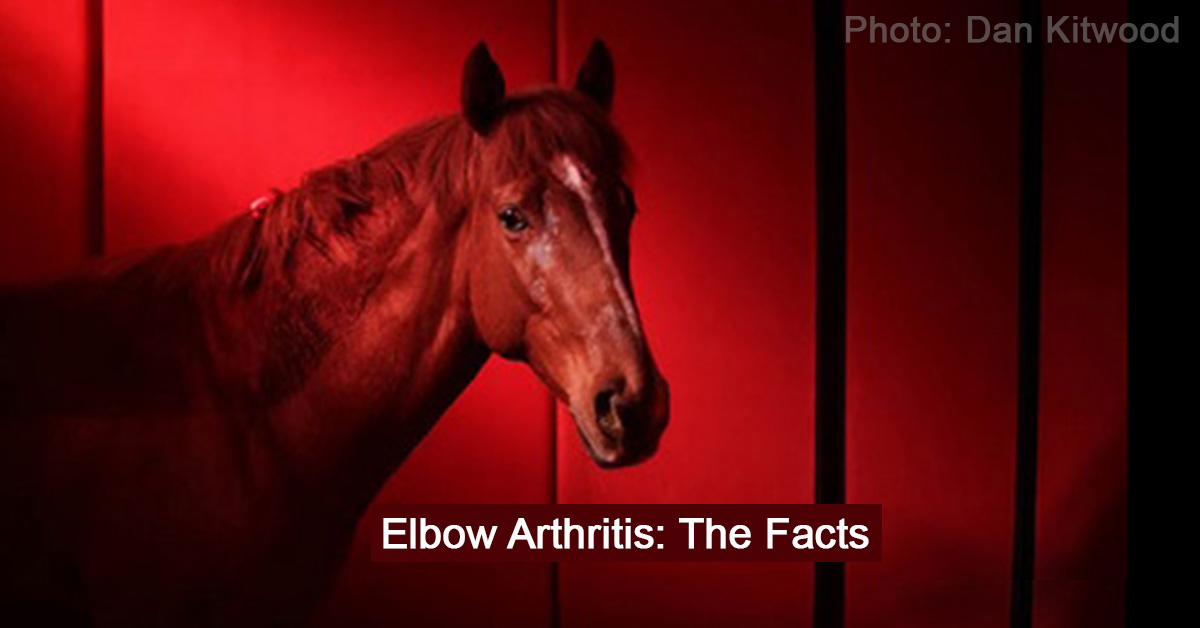
Sharon May-Davis's work on elbow arthritis suggests that's not the case. She found it in 100% of ridden and driven horses dissected, but not in horses that had never worked. Whether or not horses are affected by it to the degree that their work needs to be reduced/modified or ended altogether, it does appear that this is a harm directly related to our working them.It's certainly time to stop abusing horses - and all other animals too
But I believe it's perfectly possible to ride horses without doing them harm and if that's the case, why not?
Here’s some interesting info about her work on elbow arthritis, and some videos showing the gait of affected horses (from 2013 article):Sharon May-Davis's work on elbow arthritis suggests that's not the case. She found it in 100% of ridden and driven horses dissected, but not in horses that had never worked. Whether or not horses are affected by it to the degree that their work needs to be reduced/modified or ended altogether, it does appear that this is a harm directly related to our working them.
Unfortunately in the pre-print on here it doesn't seem to have Table 2, which is the ages of the horses studied. As while she says all ridden horses had lesions, lesions were found in non-ridden horses over age of 4. What is the use of comparing <4 of age non ridded horses to ridden horses which are all going to be >4?Here’s some interesting info about her work on elbow arthritis, and some videos showing the gait of affected horses (from 2013 article):
![]()
Equine Elbow Arthritis Lesions Found In All Worked Horses
Equine arthritis of the elbow is found in the majority of worked horses, according to this research by Dr Sharon May-Davis.thehorsesback.com
Her published paper findings 2022:
![]()
A Preliminary Study Examining Intraarticular Lesions in the Equine Elbow Joint
AbstractThis study investigated the presence of intraarticular lesions in the elbow joint of E. caballus in worked (n=34) and non-worked (n=12) horses. Gross expapers.ssrn.com
In the pdf download link on her study abstract page there’s more info, but the tables are not showing, (no idea why, perhaps because its a preprint version)Unfortunately in the pre-print on here it doesn't seem to have Table 2, which is the ages of the horses studied. As while she says all ridden horses had lesions, lesions were found in non-ridden horses over age of 4. What is the use of comparing <4 of age non ridded horses to ridden horses which are all going to be >4?
I would need to see the comparison of ages between ridden and non ridden to say that riding was the cause.
The lesions were graded 1-4, that wasnt the age being discussed in the abstract.Unfortunately in the pre-print on here it doesn't seem to have Table 2, which is the ages of the horses studied. As while she says all ridden horses had lesions, lesions were found in non-ridden horses over age of 4. What is the use of comparing <4 of age non ridded horses to ridden horses which are all going to be >4?
I would need to see the comparison of ages between ridden and non ridden to say that riding was the cause.
Yes but all the ridden horses are over the age of 4 (to have been worked as much, or some of the race horses may have been younger) and in her own results she states that lesions were found in non-ridden horses over the age of 4. So how many non-ridden horses were over or under 4 and which ones had lesions. If all non-ridden horses over 4 have lesions, then she is negating her own argument that it is riding casing the problem.The lesions were graded 1-4, that wasnt the age being discussed in the abstract.
“Worked horses presented lesions from 1–4” (with prior statement “regardless of age”)
Potentially, but how do we really know? Everyday I see people saying a horse was "testing them" or "being an asshole". If the horses actively acting out are ignored, how can we be so sure that our wonderfully stoic quieter horses aren't also suffering?It's certainly time to stop abusing horses - and all other animals too
But I believe it's perfectly possible to ride horses without doing them harm and if that's the case, why not?
Yes, i see what you are saying. To have the exact details of the studied groups ages an email to the author would be warranted, as i cant find with a quick brief search online the tables giving details which are omitted from the pre-print.Yes but all the ridden horses are over the age of 4 (to have been worked as much, or some of the race horses may have been younger) and in her own results she states that lesions were found in non-ridden horses over the age of 4. So how many non-ridden horses were over or under 4 and which ones had lesions. If all non-ridden horses over 4 have lesions, then she is negating her own argument that it is riding casing the problem.
However, if same age horses non-ridden have no lesions then her argument is stronger.