cally23
Well-Known Member
So glad I just checked into the forum, OH snickers bar is now back in his secret stash draw 

So glad I just checked into the forum, OH snickers bar is now back in his secret stash draw
The Animal Health Trust is currently recruiting horses to run a study on exactly this so we might soon have some proper science based information. They are only studying the short-term effects, but it's a start. I'm in the 15% max camp personally.
Haha! I so wish there was a secret stash drawer in this house!

Blimey! It's a wonder anybody rides at all looking at some of these.
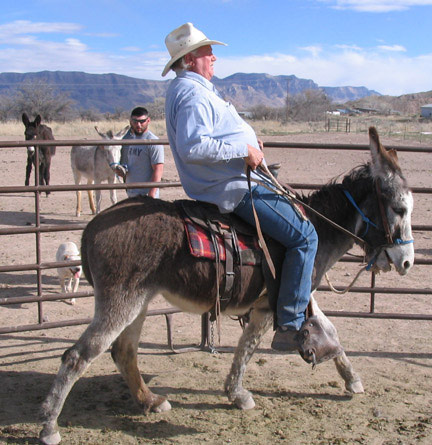
Out of interest does anyone know of any actual incidents were a horse was damaged by overweight rider? I can think of one were a big fat bloke sat on a minature donkey but that is exteme. Anyone have any actual experiences of having to get a vet out etc? not working horses like leisure people/horses.
Well done! It's hard going I know. I'm still considered relatively slim but I've gained over the past years jut a tiny bit here and there and I'm not totally comfortable In myself as it's not how I feel "right"It has been a necessity, as I have felt to heavy for my cob, so I have lost a stone, 13 sounds and feels so much better than 14! I still want to lose at least one more. If I see sweet things, especially chocolate, I am a gonna but somehow (most) of the time, I totally forget about his (I can eat anything - God don't you just hate that?) not so secret stash.

well from the posts and photos on here over the years I don't think I have ever seen one horse with a physical issue being investigated that I have thought 'well that is clearly because XYZ user is overweight for that horse'. In fact those on here for whom some have expressed the views that they are too large for their mounts seem to have some of the soundest, happiest, issue free beasts.


Don't hold out much hope that it will be better than what we have already iirc their terms for horse recruitment were very narrow (which they have to be but again misses so much)That's good to hear and exactly what is needed and not soon enough!
I don't see how this is the point though... I don't need to see physical injuries to decide that my horse probably doesn't want to lug someone around that's too heavy. I refer back to ''just because 'it' can, doesn't mean 'it' should''.
Unless your idea of what we should/shouldn't make a horse do is based solely on whether it will be of any physical detriment to the horse or not.
ETA: Well done to those who have shifted some lb's! Wish I had the same motivation, lacking at the moment!
Well I do tend to work with evidence so what is too heavy to 'lug' though? How do you define lugging is it something you can observe in the horses way of going? If the horse is going well does that mean it isn't lugging? Or are you putting the emotion/feeling of 'why am I having the lug this around' onto the horse? In which case should we never expect them to physically exert themselves? Is it just the picture 'looking right' which varies from person and doesn't pertain to actual weight as we all carry it differently. It is all subjective opinion which is why I particular picked up the example of the people on here who have been deemed too big by other posters either based on weight or pictures, have owned their equids for many years and those equids are sound, happy and trouble free even as they get older. Whereas there are plenty of posts about issues generally on the forum, daily!

Blimey! It's a wonder anybody rides at all looking at some of these.
Out of interest does anyone know of any actual incidents were a horse was damaged by overweight rider? I can think of one were a big fat bloke sat on a minature donkey but that is exteme. Anyone have any actual experiences of having to get a vet out etc? not working horses like leisure people/horses.
 I think we'd all like a nice little formula but it isn't going to happen so I imagine this being debated especially for those in the 'middle range' when I'm far too old to ride . Basically if I chopped my boobs off I reckon that must be pushing a stone
Yup I understand what you are getting at too
I'm still in awe of the 100kg deadlift though, I did my first proper squat at 35 kg tonight!
you'll get there, there is a lot of technique involved 
I thought the Army had done some weight calculations years ago for horses carrying troops and as packhorses and that was for being on the move all day, not just being ridden for a restricted time. I know that the horses were regarded as transport, but they did expect them to have a reasonable length of service due to the investment in training.
Yup I understand what you are getting at too
It was 25% of their bodyweight
After we get some data from the tests mentioned above, we just need a website where people can enter their own data and each horse can have a weight limit assigned to it. The website might start with a 15% limit and raise or lower the upper weight limit based on the inputs. You could have it set up to ask various questions, such as:
1. The horse:
Age
Height
Heart girth, length (to give us weight)
Bone measurement
Body type (light vs cobby)
Condition on Henneke scale
Fitness level
Past history of sore back etc
2. The rider:
Height
Weight
Experience level (more experience doesn't mean you weigh less: Less experience means you weigh more, potentially)
3. Saddlery:
Type (some saddles distribute weight better)
Weight including additional items
Professionally fitted to horse?
4. Intended ride:
Duration
Speed (e.g. all walk, mostly walk with 5 mins of canter etc)
Ambient temperature, wind, rain (hot weather making it harder for the horse etc)
Elevation
Flat or hilly
Jumps or none
Footing (heavy sand/mud, groomed arena, rocky trails)
It would totally take the guesswork out of the equation, and a lot of the hurt feelings and arguing.

Have you had your thyroid checked? Are you on any medication? Both of these can alter the amount of food you need to maintain your weight.
Thyroid is fine, thanks, and I'm not currently on any meds that affect metabolism. I used to be on one though, for about twenty years, which is what caused me to end up overweight in the first place. Now I just need to wrap my head around eating more - very small appetite, always have had!


It's true! The only horses I've know to have recurring back problems or lameness have slim riders. Both good and bad riders I might add!well from the posts and photos on here over the years I don't think I have ever seen one horse with a physical issue being investigated that I have thought 'well that is clearly because XYZ user is overweight for that horse'. In fact those on here for whom some have expressed the views that they are too large for their mounts seem to have some of the soundest, happiest, issue free beasts
I don't see how this is the point though... I don't need to see physical injuries to decide that my horse probably doesn't want to lug someone around that's too heavy. I refer back to ''just because 'it' can, doesn't mean 'it' should''.
!
Lévrier;13589726 said:I couldn't care less about BMI or any other stats - if you are concerned that you are too heavy for your horse, you probably are......
Haha I was thinking that but thought I better not open that can of wormsSo on the basis of the weight lifting discussion, and the huge difference it is making to my form, posture, and daily comfort working under load .... maybe they are stronger from the 'lugging'
*aware of huge extrapolation and somewhat off the wall thinking
Right about that yes - I found this info online from 'Horse, Saddles, and Bridles', by Colonel William Carter, 1902. The book goes into great detail on lessons learned in the Civil and Indian Wars regarding maintaining horses, endurance, equipment, and standard practices in the U.S. Cavalry.
The U.S. Cavalry saddle weighed 17 lbs.
Total equipment weight (including saddle, guns, boots, etc) 90 lbs.
Maximum allowed weight of Cavalry trooper 165 lbs.
Preferred weight of Cavalry trooper 130 to 150 lbs.
Average weight of US Cavalry horse 1052 lbs.
Which makes the max allowed on the horse 272lbs but they preferred to keep it to 237-257lbs, which is 22.5-24.4% of the horse's weight. So not far off but they obviously wanted it lower because they recognized the impact.
About a million went to fight in various overseas wars. They were all either killed or left behind - horses were seen as expendable, so they were worked hard and a 15 year + career was not the goal of the army.
http://www.mustangs4us.com/unused/history_4-20thCentury.htm
So, I think if you want less impact/a longer working life, the army requirements might be reduced.