Thoughts on BD bringing in 20% rider weight guidance?

My wonderful new forest who I lost in July was 13.3 was 465 kilos.

It is very difficult for the judge to guess a horse and rider weight. Could you accurately estimate our weight from photos if I told you his breed, size and my height. I am 5.1.ft.

I am 54 kilos so definitely within the 20% range for a lot of horses and most natives and cobs but I am not the best rider so I may be unbalanced or could be exluded for that reason.

I just cannot see how they can easily work out the weights of horses and riders and make challenges without having scales on site.

I think it will come to nothing.

I think there is not about people being over weight or fat. It is about being too heavy for your horse. I am not overweight but I would not ride a 12h show pony as I would be too heavy at 54 kilos. This is not fat shaming.


FB_IMG_1633174824788.jpg
 
I think it would have to be all weighed, really to be totally fair. I suspect their would be many caught out, that would not see themselves overweight. Muscle weighs more than fat. Generally all other things being equal men have more muscle than women, and generally are taller. A case in point a male livery at our yard thought I would weigh more than him, as it is, we are the same weight. He was very surprised, I was not.
 
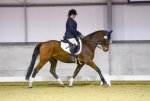
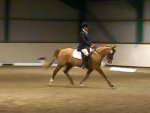
These are all 20%, within 1% either way As I never weighted my pony saddle, konig or tweed. They’re all fit enough and well ‘maintained’ with dressage being a few times a year hobby to help the day job (photos 15-2 years old)

My horse is fat now and only just coming back into work (but still normal for BD- like the unclipped picture but I’m a bit lighter) so I can put on lots of coats and wear by bromonts. Once he’s fitter in the new year and up to pulling 80% of his body weight on a surface and performing as well as under saddle, I’ll have to strip back off!

But, I still agree it’s a good guideline!

9AB31458-CD38-4269-BE3D-95C29C124289.jpeg
3C5F20ED-3B68-41EF-8E58-2C80B1E6F02E.jpeg
F8B0CB96-48B2-4792-A4C3-89D42021DE6F.jpeg
93F2BD68-7D7B-419E-935E-73F8B4B3C134.jpeg
 
The thing I found shocking about the Facebook post was those who were basically saying that the 20% rule was unfair (presumably unfair to them, they didn’t appear to care about the horse). I had to step away from the post as I find it very distressing that people can’t see that 20% is a MINIMUM we should do for welfare. And I say this as someone who weighs more than I should for my height. I have chosen a horse best Suited to my height and weight - if I want to ride, then that is my minimum duty. I have turned down rides on horses that I have felt too heavy for.
 
I have found that everyone who argues against weight limits for riding horses is themselves of a weight that is in or over the top end of the proposed limits (or emotionally close to a rider who is).

When a scientist of 10st tells me that 20% does no harm, I will listen. Until then, my limit stays at 15%

Please note that the post refers to weight, not fat.
.

same.
 
I think the extremes are easy to judge, it's the bits in the middle that get harder. Apparently I'm denser than I look/I do think people actually struggle to judge weight very well, especially if it's outside of their own experience.

For clarity I was approaching 17 stone 2 years ago, I wasn't riding at 17 stone (I actively said no) but I also didn't have a horse that I had to worry about exercising either. I'm now about 12, and losing that took a year of basically that being given priority over everything else in my life, I'm not sure how I would have managed it and Frank on DIY at the same time.

I also suspect that the way most people imagine being 17 stone would be isn't always the case, I was very fit and active and moving my body now doesn't feel any different to when it was heavier other than getting up hills on the bike!

Another problem is a lot of people lie about how much they weigh. One example I remember is being on the phone to my Dad and he telling me about the stepmother riding one of the half sister's ponies and it wasn't a problem being she was only 8 1/2 st. Rubbish, I said, she can't be, she not much smaller than I and I'm 10! Unbeknownst to me, she was there so he asked her, I heard her say "well, 9". Still balls but I didn't bother arguing further.

Another example was when I was at equine college, short course clients would have their height & weight written on a sheet pinned up on a board so we knew which horses would be suitable. One woman was listed as 8st, now I was about 8 1/2 at the time yet when she turned up she was twice the width of me!
 
With a rule in place, at least they will be able to point to something official when there really is an obvious rider/horse combination that raises warning signs and do something about it.
A bit like when the police have a temporary checkpoint by the roadside to check on road-worthiness and insurance; they must let most vehicles got by as they "look" ok, but then pull in the ones that look obviously in the category they are looking out for and check them out. There will be some that actually pass the checks, and they will possibly feel aggrieved that they were stopped, but I reckon most of the ones that look suspicious will be found out to be suspicious.
 
My only grievance with this guidance is, from a horses welfare point of view it should have come in a lot sooner. I can’t help but feel the horses welfare has come second to BD wanting to be seen to be doing the right thing - they should have been doing the right thing years ago.

It’s also sad that it takes a sporting body to promote good weight combinations. I think more needs to be done by professionals who are at the front line of horse welfare; vets, physios, farriers, saddlers, trainers etc. These overweight combinations don’t get to compete without having seen one of the above. I know someone who is far too heavy for their horse, of which has been plagued by reoccurring soundness issues, yet neither their vet, or professionals they encounter has bought up the weight subject, or even suggested a lighter rider for rehab.
 
Last edited:
Vets are the most frustrating. If they are dealing with soundness issues they could easily say as a matter of course something like

"I'm not sure who the riders of this horse are but please make sure they are all less than 20% of the horse's bodyweight. I believe this horse weighs xxxx so the rider should be under xxxx to allow for tack"

No one is offended or body shamed. If they say it routinely then if someone feels"targeted" hopefully friends say that they were told the same.
 
It’s also sad that it takes a sporting body to promote good weight combinations. I think more needs to be done by professionals who are at the front line of horse welfare; vets, physios, farriers, saddlers, trainers etc. These overweight combinations don’t get to compete without having seen one of the above. I know someone who is far too heavy for their horse, of which has been plagued by reoccurring soundness issues, yet neither their vet, or professionals they encounter has bought up the weight subject, or even suggested a lighter rider for rehab.

We tread a very fine line. I come along after a vet with lots of letters after their name, a trainer that they've been with for years, and tell them they're too heavy? I'd usually get shouted down, but on the flip side HOW the conversation is had is critical to not dent someone's confidence completely, as so often, if it's not about height or muscle, the weight is so strongly connected to mental health. It's a minefield.

Vets are the most frustrating. If they are dealing with soundness issues they could easily say as a matter of course something like

I have a friend who was an equine vet for a while and she is strongly against vets having any part in this. I'm a little more with you, if they're vetting a horse to be suitable for the rider's purposes (which IS what a vetting is, hence the same horse can pass AND fail a vetting for different owners) then I don't see how it's much of a leap to talk about broad weight limits relating to horse weight and condition, and perhaps even the space between shoulder blade and back rib.

We might even start talking about posture and topline if this was done!
 
yes there could be some guidelines, ie in the vetting and estimate of weight likely to suit carrying ability of any horse vetted, several levels ie lightweight, middleweight, heavyweight, similar to show hunter weighting

i thought vets already suggest if a horse is suitable/sound for the purpose its being purchased for
 
Vets are the most frustrating. If they are dealing with soundness issues they could easily say as a matter of course something like

"I'm not sure who the riders of this horse are but please make sure they are all less than 20% of the horse's bodyweight. I believe this horse weighs xxxx so the rider should be under xxxx to allow for tack"

No one is offended or body shamed. If they say it routinely then if someone feels"targeted" hopefully friends say that they were told the same.

When I first moved to the UK I couldn't afford a horse here yet, but my MH was suffering so I got one and put him on working livery...they yard measured his cannons and said he could carry 85kg! I thought not an F as he was 16.1, under muscled and 17 years old. I said to them no more than 70kgs should be allowed on him and the yard said according to his cannons....I sucked it up, bought less wine and moved him...
 
Perhaps an unpopular suggestion but couldn’t this be enforced by doing a mandatory weight check at the start of the season or perhaps at half yearly intervals before you’re allowed to compete?

We enforce rules like this for hat and body protector standards so unsure why this should be any different?
 
It's not just weight though - that's the problem with this.

I bred a 14.1 mare, nearly pure Welsh with a bit of AA. I was quite happy to let one friend ride her. He weighed about 12.5 stone but was fit, rode a bike every day 18 miles each way to work in the City and 'rode light'.

I wouldn't let another friend near her though. She only weighed 9 stone but was flabby and lacked muscle/core strength despite being an experienced rider and she only rode once or twice a week on riding school horses. She rode like the proverbial sack of spuds and as for sitting trot it was like watching a bouncing ball.

Whilst weight is definitely a factor, it is not the only factor in horse welfare. That's why it is so subjective.

You can get a tall, lean professional rider on a small horse without any harm coming to them (think of Mark Todd on Charisma).

You can get another rider on a stocky horse that they are under the 15% 'rule' but they are all over the place and not in balance.

I can quite understand why vets and judges don't want to get involved in policing a weight rule. People, including many horse people, are very sensitive about their weight and their riding ability and vets/judges rightly fear abuse for speaking out.

Don' forget, e.g., that people taking BHS exams used to get their results on the day of the exam but that was stopped a few years ago due to the abuse received by the examiners from failed candidates.
 
Perhaps an unpopular suggestion but couldn’t this be enforced by doing a mandatory weight check at the start of the season or perhaps at half yearly intervals before you’re allowed to compete?

We enforce rules like this for hat and body protector standards so unsure why this should be any different?
Currently the proposed weight limit is only an 'advise', it's not a rule.
Therefore sadly anything mandatory cannot be implemented, this will be a line in the sand though for judges and officials to use where applicable, in welfare at competitions.
 
We tread a very fine line. I come along after a vet with lots of letters after their name, a trainer that they've been with for years, and tell them they're too heavy? I'd usually get shouted down, but on the flip side HOW the conversation is had is critical to not dent someone's confidence completely, as so often, if it's not about height or muscle, the weight is so strongly connected to mental health. It's a minefield.

I have a friend who was an equine vet for a while and she is strongly against vets having any part in this. I'm a little more with you, if they're vetting a horse to be suitable for the rider's purposes (which IS what a vetting is, hence the same horse can pass AND fail a vetting for different owners) then I don't see how it's much of a leap to talk about broad weight limits relating to horse weight and condition, and perhaps even the space between shoulder blade and back rib.

We might even start talking about posture and topline if this was done!

I've had those conversations with vets. When the microcob went for her lameness review during covid I couldn't attend and the vet who phoned back with her results (KS in two places) asked what the height & weight was of the rider who rode her regularly. That vet had never met me so had no idea whether they were broaching a sensitive subject or not, but for the pony's welfare I need to keep my weight down and I was happy to have that discussion.

I was also a witness to a friend having a saddle fitting that was really awkward. It was obvious that her backside was over the back of the saddle and the saddler said under his breath to me that he knew it wasn't a great fit for the rider but he couldn't put anything longer on the mare. About a year later she had a different saddler fit a saddle that was 0.5" shorter and had a moan about saddler #1. I wasn't brave enough to say that the 2 stone weight loss was probably the driving factor in being able to fit a shorter saddle!!

And if we're not brave enough to say it to friends then I'm not sure why we expect professionals to have the conversation.

But as Xmas Furry says it gives judges a line in the sand so if someone is obviously too heavy then they now have a route they can go down.
 
I saw DAvid Marlin comment the other day that the ideal weight for a horse to carry is 0%. I found that quite sobering.

Good on BD for trying to tackle this, but hope they actually follow it through and police it. That'll make it easier for other sports, show venues, unaffiliated shows etc to follow suit. Hope they provide support for the poor stewards who have to tackle this issue in person though!!
 
The 20% weight limit is arbitrary.
There is no weight of rider that benefits a horse; carrying any weight negatively impacts the horse's welfare.
So all of you happy 'I'm 10 stone but I wouldn't let anyone over 101/2 stone ride my baby' are fooling yourselves that you are truly sensitive to horse welfare. ;)

The question should be 'What level of horse abuse is acceptable?'
 
I saw DAvid Marlin comment the other day that the ideal weight for a horse to carry is 0%. I found that quite sobering.

100%.

Further, a saddle can never make a horse move better, it is only ever mitigation. Horses are SO ill designed to carry a rider that we're often simply in a state of denial about it. We do not prepare most horses correctly to carry us, we do not build their body, muscles and movement patterns to best help them instead of them moving in compensation. Generic "strengthening" and fittening does not cut it, yet so few people truly do more than that, me included when I had my own.
 
Last edited:
I have just come out of a three-month period of not riding the horse in my avatar as, after a period of distinctly average health this year, as when I got her I got her on the weighbridge when her bodyscore was 3/5 and weighed my saddle and my hat, boots, clothes, so that I would know if I was ever too heavy to ride her.

I was too heavy but so many people tried to argue me into riding her: the liveries, my instructor, the vet ... Only the osteopath and the saddle fitter commended me for it! In some slight justification to the naysayers, I just don't seem to look as heavy as I am - I have a lot of muscle. My YO/riding instructor was one of the people thinking I was being ridiculous until I told her how much I actually weighed, but I don't want to disclose that to everyone ...

The upside is that miles of long-reining can contribute to weight loss ;)
 
I think the thing I struggle with about this is that all the people on social media who are up in arms about this are listing the reasons why it is 'not their fault' that they are sensitive about their weight / overweight- menopause, illness, medication etc - but seem oblivious to the fact that it doesn't matter to the horse WHY they are larger, just that they are.
If you can't get yourself to an appropriate weight to ride the horse there are a couple of options - change yourself and lose weight, change the horse to one who can carry you better, or just enjoy them from the ground in whatever way you want.
No one is blaming the rider for being large, but at the end of the day this is welfare and we are all here because we love horses.

I go on a lot of riding holidays where you are always asked to declare your weight in advance so they can match you to a suitable horse- and they often reserve the right to weigh on arrival too. Its their horse and their livelihood at the end of the day.
 
I can't help but feel that so many more factors should be looked at before saying a rider is too heavy. My 15hh on tip toe cob weighs just under 500kg (well after a fortnight off for bad weather he's probably over 500kg now) and I have no qualms riding him. However I wouldn't contemplate riding a 16.1 tb of the same weight, the difference in conformation would make me very unhappy to be on it. And yes, I'm under 20% of that weight.
 
I can't help but feel that so many more factors should be looked at before saying a rider is too heavy. My 15hh on tip toe cob weighs just under 500kg (well after a fortnight off for bad weather he's probably over 500kg now) and I have no qualms riding him. However I wouldn't contemplate riding a 16.1 tb of the same weight, the difference in conformation would make me very unhappy to be on it. And yes, I'm under 20% of that weight.


I think we agree here.

My own feeling is that there are horse and rider factors that should reduce the amount the horse can carry, but that 20% is an absolute top limit, preferably 15%.
.
 
I think the thing I struggle with about this is that all the people on social media who are up in arms about this are listing the reasons why it is 'not their fault' that they are sensitive about their weight / overweight- menopause, illness, medication etc - but seem oblivious to the fact that it doesn't matter to the horse WHY they are larger, just that they are.
If you can't get yourself to an appropriate weight to ride the horse there are a couple of options - change yourself and lose weight, change the horse to one who can carry you better, or just enjoy them from the ground in whatever way you want.
No one is blaming the rider for being large, but at the end of the day this is welfare and we are all here because we love horses.

I go on a lot of riding holidays where you are always asked to declare your weight in advance so they can match you to a suitable horse- and they often reserve the right to weigh on arrival too. Its their horse and their livelihood at the end of the day.

I agree - I find it interesting that in many of those social media threads, people say things like, "I'm a size 12/14/16...", which is, obviously, completely missing the point, given the dress size is largely irrelevant. I think people mistakenly take common "body positivity" discourses about weight from other spheres where weight doesn't really matter (except to the individual), and then try to apply it to horse riding.
 
I agree - I find it interesting that in many of those social media threads, people say things like, "I'm a size 12/14/16...", which is, obviously, completely missing the point, given the dress size is largely irrelevant. I think people mistakenly take common "body positivity" discourses about weight from other spheres where weight doesn't really matter (except to the individual), and then try to apply it to horse riding.

Agree. Also dress sizes seem to have increased dramatically in the last years, presumably in an attempt to fool customers that they have not increased in size. If you look at a size 10 dress from the 1980s it is tiny compared to a size 10 today.
 
Top